Explore Electronics Manufacturing Machinery: Guide to Equipment and Processes
Electronics manufacturing machinery includes the equipment used to assemble, inspect, test, and process electronic components and circuit boards.
These machines support activities such as printed circuit board assembly, component placement, soldering, inspection, and final testing.
Modern electronics production combines automated equipment with software, sensors, and quality-control systems. Understanding how electronics manufacturing machinery works can help readers understand the production process, equipment categories, and the standards that influence modern electronic manufacturing.
Context
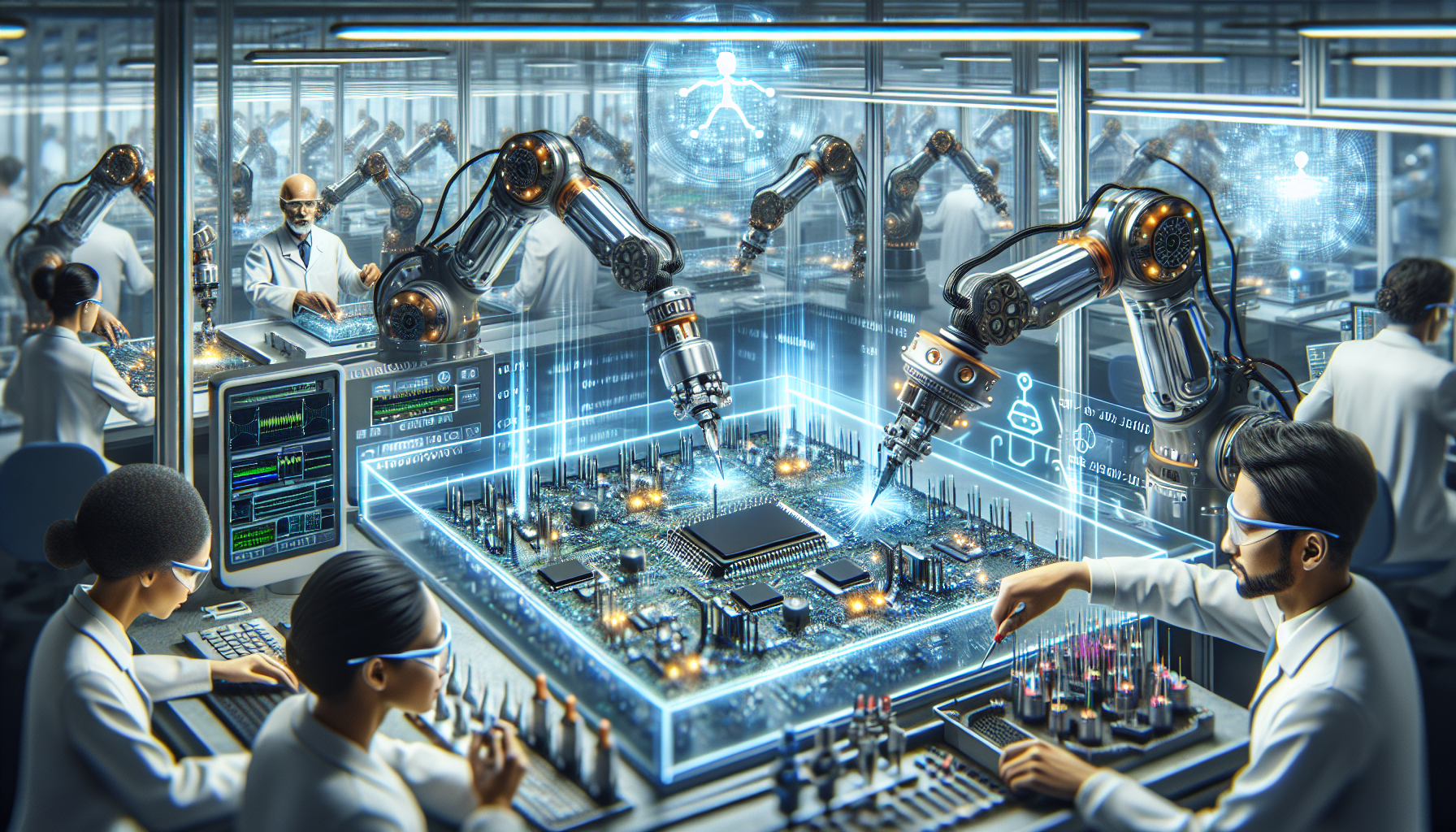
Electronics manufacturing machinery refers to a broad group of machines used throughout the production of electronic assemblies and devices. Equipment can range from compact inspection systems to highly automated production lines that process thousands of components.
A typical printed circuit board assembly process may include several stages. Bare circuit boards are prepared first, followed by solder paste application, component placement, soldering, inspection, and electrical testing.
Common equipment includes:
- Solder paste printers
- Pick-and-place machines
- Reflow soldering systems
- Wave soldering equipment
- Automated optical inspection systems
- X-ray inspection systems
- Component preparation equipment
- Electrical test systems
- Cleaning and drying equipment
- Conveyor and material-handling systems
Pick-and-place machines position surface-mount components onto circuit boards according to programmed production data. Reflow ovens then heat the assembled boards according to controlled temperature profiles so solder joints can form correctly.
Through-hole components may require additional insertion or soldering processes. Depending on the product design, manufacturers may combine surface-mount technology and through-hole assembly within the same production environment.
Electronics manufacturing machinery is also connected to production software. Machine programs, component libraries, inspection data, process records, and production information can be coordinated through manufacturing execution and enterprise systems.
Importance
The importance of electronics manufacturing machinery comes from its role in achieving repeatable production, controlled processes, and consistent quality. Electronic assemblies can contain very small components, making manual handling difficult for many high-volume applications.
Automated equipment can control placement position, soldering temperature, inspection parameters, and testing procedures. This can help reduce variation between production cycles when equipment is correctly configured and maintained.
The machinery also affects several groups:
- Electronics manufacturers
- Product designers
- Quality-control teams
- Production engineers
- Maintenance teams
- Component suppliers
- Regulatory and compliance teams
- End users of electronic products
Equipment selection depends on factors such as board size, component dimensions, production volume, product complexity, required inspection methods, and process specifications.
A basic comparison is shown below.
| Equipment | Main Function | Typical Production Stage |
|---|---|---|
| Solder Paste Printer | Applies solder paste | Board preparation |
| Pick-and-Place Machine | Positions components | Component assembly |
| Reflow Oven | Forms solder joints | Soldering |
| AOI System | Detects visible assembly defects | Inspection |
| X-Ray System | Examines hidden connections | Inspection |
| ICT System | Checks electrical characteristics | Testing |
| Functional Tester | Verifies product operation | Final testing |
| Cleaning Equipment | Removes selected residues | Post-assembly |
Reliable production also depends on calibration, preventive maintenance, operator training, process monitoring, and appropriate environmental controls. Machinery alone cannot guarantee product quality because design, materials, programming, and process control also influence the final result.
Recent Updates
Recent developments in electronics manufacturing machinery have focused on greater automation, data collection, precision, and integration. Equipment is increasingly designed to communicate production information with other machines and factory software.
Artificial intelligence and machine-vision technologies are being applied to inspection and process monitoring. These systems can analyze images and identify patterns that may indicate missing components, incorrect placement, soldering problems, or other assembly issues.
Another important development is the use of smaller electronic components. Modern circuit boards may contain miniature surface-mount packages that require precise placement and specialized handling. IEC documentation includes specifications for component packaging used with automated handling and placement equipment.
Digital manufacturing systems are also becoming more important. Equipment can generate information about production counts, inspection results, machine conditions, and process parameters. When properly integrated, this information can help production teams identify process changes more quickly.
Energy efficiency and material management are additional areas of attention. Manufacturers are examining equipment operation, heating profiles, compressed-air use, material waste, and maintenance practices as part of broader environmental objectives.
Flexible production is another notable trend. Modern equipment may support rapid program changes and different board configurations, allowing production environments to handle multiple product designs without completely changing the manufacturing line.
Laws or Policies
Electronics manufacturing is affected by different laws and technical requirements depending on the product, manufacturing location, and destination market. Environmental regulations are particularly important because electronic equipment can contain substances that require controlled management.
In the European Union, the Restriction of Hazardous Substances Directive, commonly known as RoHS, restricts specified hazardous substances in electrical and electronic equipment. The European Commission states that the current framework restricts ten substances, including lead, mercury, cadmium, and certain flame retardants and plasticisers.
The EU Waste Electrical and Electronic Equipment Directive, or WEEE, addresses the collection, treatment, recovery, and recycling of electrical and electronic waste. The European Commission notes that WEEE rules are intended to reduce environmental impacts and improve resource efficiency.
In the United States, electronic equipment capable of causing radio-frequency interference may fall under Federal Communications Commission equipment authorization requirements. The FCC explains that its equipment authorization framework is intended to ensure that applicable RF devices comply with technical requirements and operate without harmful interference.
Other requirements may involve electrical safety, electromagnetic compatibility, chemical management, workplace safety, waste handling, and product-specific regulations.
Because requirements differ between countries and product categories, manufacturers should consult the applicable government authorities, standards organizations, and compliance documentation for each market.
Tools and Resources
Several resources can help people understand electronics manufacturing machinery and related production requirements.
Useful resources include:
- International Electrotechnical Commission publications for relevant technical standards
- European Commission pages for RoHS and WEEE requirements
- EUR-Lex for European legislation and amendments
- U.S. Federal Communications Commission resources for RF equipment authorization
- Manufacturing equipment documentation and technical manuals
- Equipment calibration records and maintenance schedules
- Process-control charts and inspection records
- Production planning and manufacturing software
IEC standards can be particularly useful for understanding component packaging and automated handling. For example, IEC 60286 documents address packaging formats intended for automatic handling and component placement processes.
For environmental compliance, the European Commission provides information about RoHS implementation, including exemption procedures and assessment requirements.
For U.S. RF compliance research, the FCC's Office of Engineering and Technology Knowledge Database provides technical guidance and measurement information related to equipment authorization.
FAQs
What is electronics manufacturing machinery?
Electronics manufacturing machinery is equipment used to assemble, inspect, test, and process electronic components, circuit boards, and related assemblies.
What machines are commonly used for PCB assembly?
Common machines include solder paste printers, pick-and-place machines, reflow ovens, inspection systems, conveyors, and electrical testing equipment.
What does a pick-and-place machine do?
A pick-and-place machine automatically positions electronic components onto designated locations on a printed circuit board using programmed production information.
Why is automated optical inspection important?
Automated optical inspection uses cameras and image-processing techniques to examine assembled boards for visible issues such as missing, misplaced, or incorrectly soldered components.
Do electronics manufacturers need to follow regulations?
Yes. Applicable requirements depend on the product, manufacturing location, and destination market. Environmental, electrical, electromagnetic, chemical, and product-specific rules may apply.
Conclusion
Electronics manufacturing machinery forms an important part of modern electronic production. Equipment for component placement, soldering, inspection, testing, and material handling helps create controlled and repeatable manufacturing processes.
Recent developments are increasing the use of automation, machine vision, digital production data, miniature-component handling, and flexible manufacturing systems. At the same time, manufacturers must consider applicable environmental, safety, technical, and regulatory requirements.
Understanding the complete production process is useful because individual machines normally operate as parts of a larger manufacturing system.
Technical standards and government regulations should be checked regularly because requirements can change according to technology, legislation, and geographic market.

Related Post...

Cloudways Coupon Guide to Hosting Features and Available Promotions
Updated: October 21, 2026
Read More

Starlink Internet Plans Insights: Explore Speed, Latency, Availability, and Network Performance
Updated: October 13, 2026
Read More