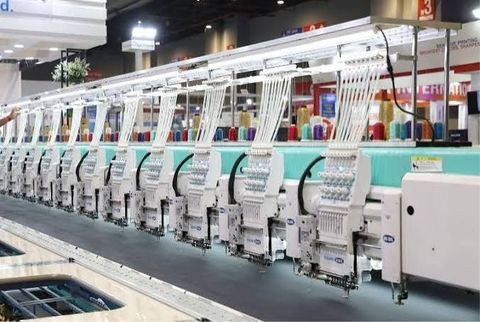
Textile Machinery Discover Guide: Learn About Spinning, Weaving, Knitting, and Finishing Equipment
Textile machinery is the foundation of modern textile manufacturing, helping transform fibres into yarn, yarn into fabric, and fabric into finished textile materials.
The main stages include spinning, weaving, knitting, dyeing, printing, drying, and finishing, with specialized machines used at each stage.
This textile machinery discover guide explains the basic functions, importance, recent developments, safety considerations, and useful resources connected with spinning, weaving, knitting, and finishing equipment. Understanding these systems can help students, researchers, manufacturers, and general readers learn how textile production works.
Context
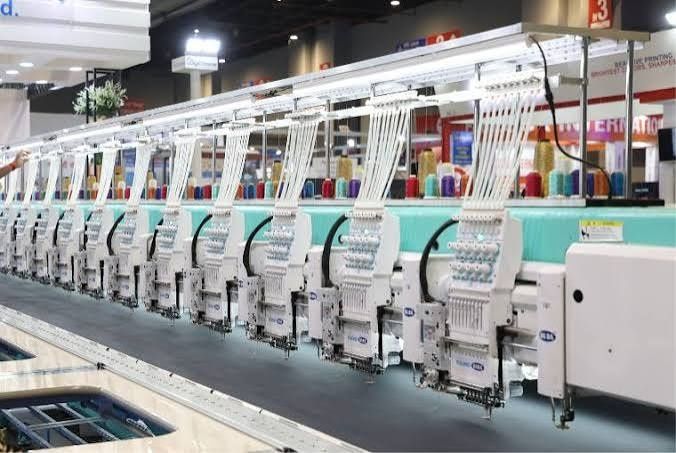
Textile machinery refers to mechanical, electrical, electronic, and increasingly digital equipment used throughout textile production. Its development has followed the growth of textile manufacturing, from early mechanical looms to highly automated production systems that can monitor processes and collect machine data.
The production sequence usually begins with fibre preparation. Opening and blending equipment prepares fibres, while carding machines separate and align fibres. Drawing and roving equipment further prepare material before spinning machines convert fibres into yarn.
Spinning equipment may include ring spinning, open-end spinning, air-jet spinning, winding, twisting, and related systems. Each technology uses a different method to form or process yarn, and the appropriate choice depends on fibre characteristics and the required yarn properties.
Weaving equipment creates fabric by interlacing warp and weft yarns. Common components include looms, warp preparation equipment, sizing systems, and winding equipment. Knitting machinery creates fabric through loops, with different machine designs used for circular, flat, and specialized knitted structures.
Finishing equipment is used after fabric formation. Depending on the textile, processes can include washing, bleaching, dyeing, printing, drying, coating, heat setting, compacting, and other treatments. ISO 11111 covers safety requirements for textile machinery across processes including fibre preparation, spinning, weaving, knitting, dyeing, printing, and finishing.
A simplified production sequence is shown below:
| Textile Stage | Typical Equipment | Main Purpose |
|---|---|---|
| Fibre preparation | Opening and carding machines | Prepare and align fibres |
| Spinning | Spinning and winding machines | Produce and prepare yarn |
| Weaving | Looms and warp preparation systems | Form woven fabric |
| Knitting | Circular or flat knitting machines | Form knitted fabric |
| Dyeing | Dyeing machines and control systems | Add colour to textile materials |
| Finishing | Dryers, stenters, compactors | Modify fabric properties |
| Inspection | Fabric inspection systems | Identify visible defects |
Importance
Textile machinery affects the quality, consistency, speed, safety, and resource use of textile production. A machine is not an isolated component; it normally works as part of a connected production process.
For example, variation during spinning can influence yarn quality, while yarn characteristics can affect weaving or knitting performance. Similarly, fabric preparation and finishing settings can influence appearance, dimensional stability, texture, and other final properties.
Textile machinery is relevant to several groups:
- Textile engineers who design and improve production processes.
- Machine operators who control equipment and production parameters.
- Maintenance teams responsible for inspection and machine condition.
- Students learning textile technology and manufacturing.
- Researchers developing new fibres, fabrics, and production methods.
- Factory managers monitoring production performance and resource use.
Safety is another important consideration. Moving rollers, belts, shafts, needles, gears, heated surfaces, chemicals, and other machine components can create hazards if equipment is incorrectly operated or guarded.
Recent Updates
Textile machinery is increasingly connected with automation, sensors, data analysis, and digital controls. Current industry discussions describe a movement toward Industry 5.0, where digital machines are intended to work alongside human expertise rather than simply replacing manual activities.
Modern equipment can collect information about machine performance, yarn tension, fabric quality, temperature, humidity, energy use, and other process conditions. This information can help operators identify changes and make adjustments based on production data.
Predictive maintenance is another developing area. Sensors and monitoring systems can help identify unusual machine behaviour before a major interruption occurs. This approach can support planned maintenance and reduce unexpected downtime.
Energy and resource efficiency are also receiving greater attention. Digital controls can help regulate process parameters, while newer finishing technologies may reduce water, chemical, and energy consumption. Industry discussions have highlighted the increasing role of digitalisation and sustainability in textile finishing.
Recycling and material recovery are also influencing machinery development. Automated sorting technologies can use sensors to distinguish textile materials by characteristics such as fibre type and colour, supporting more systematic recycling processes.
ITMA 2027 is scheduled to cover textile and garment technologies from spinning through finishing, along with software, automation, recycling, fibres, yarns, and fabrics. Its 2026 sector update indicates continued industry attention toward digitalisation, sustainability, and integrated production technologies.
Laws or Policies
Textile machinery requirements vary by country, industry, machine type, and workplace. Businesses should therefore consult the applicable national regulations and technical standards before installing or operating machinery.
ISO 11111-1:2016 establishes common safety requirements for textile machinery and was reviewed and confirmed by ISO in 2026, meaning that edition remains current. The standard addresses hazards associated with activities such as transportation, assembly, commissioning, adjustment, operation, maintenance, dismantling, and disposal.
In the United States, OSHA has specific textile-industry requirements under 29 CFR 1910.262. These requirements address areas such as machine stopping mechanisms, guards, inspection, maintenance, opening and picking machinery, carding equipment, bleaching machinery, tenter frames, dyeing equipment, and other textile processes.
OSHA also has general machine-guarding requirements. For example, 29 CFR 1910.212 requires appropriate machine guarding to protect workers from hazards such as rotating parts, ingoing nip points, and points of operation.
For textile machinery placed on the European Union market, the EU Machinery Regulation 2023/1230 is particularly relevant. The regulation is scheduled to apply from 20 January 2027, with some provisions applying earlier.
Because requirements differ between jurisdictions, technical documentation, risk assessment, machine guarding, electrical safety, chemical handling, noise control, and workplace procedures should be reviewed according to the location and equipment involved.
Tools and Resources
Several resources can help readers understand textile machinery and production processes.
Useful starting points include:
- ISO standards for textile machinery safety requirements.
- OSHA textile and machine-guarding guidance for applicable U.S. workplaces.
- ITMA publications covering textile technology, automation, sustainability, and machinery developments.
- Manufacturer technical manuals for machine specifications and operating procedures.
- Textile engineering textbooks for fundamentals of spinning, weaving, knitting, and finishing.
- Production monitoring systems for collecting machine and process information.
- Maintenance checklists for routine inspection and equipment condition monitoring.
When researching a particular machine, it is useful to examine its operating principle, production stage, material requirements, control system, safety features, maintenance needs, and environmental considerations.
FAQs
What is textile machinery?
Textile machinery is equipment used to process fibres, yarns, and fabrics through stages such as preparation, spinning, weaving, knitting, dyeing, printing, drying, and finishing.
What does spinning machinery do?
Spinning machinery converts prepared fibres into yarn. Different spinning technologies use different methods and can produce yarns with varying structures and characteristics.
How is weaving different from knitting?
Weaving forms fabric by interlacing warp and weft yarns, while knitting forms fabric by creating interconnected loops. The resulting structures have different properties and applications.
Why is finishing equipment important?
Finishing equipment can change characteristics such as appearance, softness, dimensional stability, colour, surface properties, and performance. The exact process depends on the textile material and intended application.
Are textile machines becoming more automated?
Yes. Automation, sensors, connected equipment, digital controls, and data analysis are increasingly being integrated into textile production. Current industry discussions also emphasize human-machine collaboration and digital skills.
Conclusion
Textile machinery connects the major stages of textile production, from fibre preparation and spinning to weaving, knitting, dyeing, and finishing. Each machine performs a specific function, while integrated production systems help coordinate multiple stages.
Recent developments are increasingly focused on automation, digital monitoring, resource efficiency, safety, recycling, and human-machine collaboration. Understanding these changes provides useful background for anyone studying textile manufacturing or evaluating how modern textile production systems work.
Textile machinery will continue to develop as manufacturers and researchers work with new fibres, digital technologies, recycling processes, and resource-efficient production methods. For accurate technical decisions, readers should always consult current standards, local regulations, equipment documentation, and qualified technical personnel.

Related Post...
Confectionery Equipment Guide: Explore Types, Uses, Processes, and Modern Technology
Updated: September 22, 2026
Read More
EPS Recycling Machine Guide and Overview: Learn How Foam Waste Is Processed and Recovered
Updated: September 18, 2026
Read More
Pharmaceutical Machinery Guide to Production Equipment, Systems and Processes
Updated: September 21, 2026
Read More