Air Systems Information Guide to Airflow, Pressure Control, and System Design
Air systems play an important role in residential buildings, commercial facilities, manufacturing plants, laboratories, and industrial operations. They manage the movement of air to support ventilation, temperature control, equipment operation, and indoor air quality.
Understanding airflow, pressure control, and system design helps explain how these systems function and why their components must work together.
An air systems information guide provides an introduction to the basic principles, common equipment, modern developments, and relevant safety requirements. Whether an air system is used for building ventilation or industrial compressed air, understanding its design and operation helps users recognize performance requirements, maintenance needs, and energy efficiency considerations.
Context – Understanding Air Systems
An air system is a combination of equipment, ducts, pipes, controls, and other components that move or manage air for a specific purpose. Depending on its application, it may circulate fresh air, remove contaminated air, distribute conditioned air, or supply compressed air to machinery.
Air systems generally fall into two broad categories: ventilation and air distribution systems, which manage air movement in buildings, and compressed air systems, which deliver pressurized air for industrial processes. Although their purposes differ, both rely on pressure differences, airflow, and carefully selected components.
Common air system components include:
Fans and blowers that move air through a system.
Compressors that increase air pressure for industrial applications.
Ducts and pipes that guide air to its destination.
Filters that remove dust and other particles.
Valves and dampers that regulate airflow.
Sensors and controllers that monitor operating conditions.
The main purpose of air system design is to deliver the required airflow and pressure while meeting safety, environmental, and operational requirements.
Airflow is commonly measured in cubic feet per minute (CFM) or cubic metres per hour (m³/h). Pressure may be expressed in pascals (Pa), kilopascals (kPa), or pounds per square inch (PSI), depending on the application.
Importance – Why Airflow and Pressure Control Matter
Airflow and pressure control influence equipment performance, indoor comfort, workplace conditions, and energy consumption. When a system is incorrectly designed, some areas may receive insufficient ventilation, filters may restrict air movement, or machinery may not receive the pressure it requires.
In buildings, ventilation systems help dilute indoor pollutants and introduce outdoor air. In industrial environments, compressed air supports pneumatic tools, automation equipment, material handling, and other processes.
Pressure control is equally important. Excessive pressure can damage equipment or create safety hazards, while insufficient pressure may affect the performance of connected machinery. Appropriate pressure regulators, relief devices, sensors, and control systems help maintain operating conditions within specified limits.
Air systems affect several groups:
Building designers and mechanical engineers responsible for system planning.
Facility managers who monitor performance and maintenance.
Industrial operators who depend on consistent airflow or compressed air.
Occupants who rely on suitable ventilation and indoor air quality.
Safety personnel who oversee equipment and workplace requirements.
A well-designed system considers airflow demand, pressure losses, noise, filtration, operating schedules, and future changes in demand. These factors help determine whether equipment can perform reliably under normal operating conditions.
Recent Updates – Trends in Air System Technology
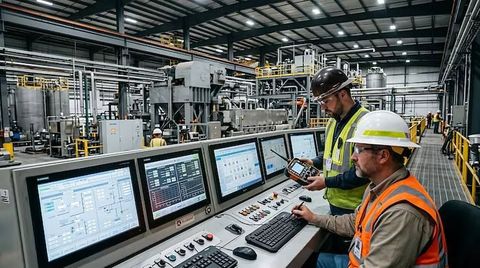
Air system technology continues to develop through improvements in automation, energy monitoring, filtration, and equipment control. Modern systems increasingly use sensors and digital controls to adjust operation according to actual demand rather than operating continuously at a fixed setting.
Variable-speed drives allow compatible fans and compressors to adjust their output as requirements change. When correctly selected and controlled, this approach can reduce unnecessary energy use compared with some constant-speed arrangements.
Other important developments include:
Smart sensors that monitor airflow, pressure, temperature, and filter condition.
Automated controls that adjust ventilation according to occupancy or air quality measurements.
Predictive maintenance methods that identify unusual operating patterns.
Improved compressor designs and heat recovery arrangements.
Digital monitoring systems that help facility teams review performance over time.
Connected monitoring can make it easier to identify leaks, blocked filters, abnormal pressure changes, and equipment operating outside its intended range. However, sensor accuracy, appropriate installation, cybersecurity, and regular verification remain important.
Energy efficiency is another major focus. The U.S. Department of Energy provides guidance on industrial compressed air systems, including leak reduction, pressure management, and system assessment. In building ventilation, designers increasingly consider indoor air quality alongside energy performance.
New technology does not automatically improve every system. Equipment selection should reflect actual demand, operating conditions, compatibility, and applicable technical standards.
Laws or Policies – Standards and Safety Requirements
Air system requirements depend on the system type, location, building use, and operating environment. Building ventilation, industrial compressed air, workplace exposure, and pressure equipment may be governed by different regulations and technical standards.
In the United States, several organizations provide relevant requirements and guidance.
Organization or standard | Main area of relevance |
|---|---|
ASHRAE standards | Building ventilation, indoor air quality, and thermal conditions |
OSHA regulations | Workplace safety and applicable compressed air requirements |
U.S. Department of Energy | Industrial compressed air efficiency guidance |
International Mechanical Code | Mechanical system installation where adopted |
NFPA standards | Specific fire and life-safety considerations where applicable |
ASHRAE publishes standards addressing ventilation and acceptable indoor air quality, including ASHRAE Standard 62.1 for many nonresidential buildings and Standard 62.2 for residential buildings within its scope. The applicable edition and local adoption should be checked before using a standard for a project.
The Occupational Safety and Health Administration (OSHA) establishes workplace requirements in the United States. For example, OSHA regulation 29 CFR 1910.242(b) restricts the use of compressed air for cleaning, including requirements concerning pressure and protective measures. Other requirements may apply depending on the equipment and activity.
Building codes and pressure equipment regulations vary by jurisdiction. In India, relevant requirements may include applicable National Building Code provisions, state rules, and occupational safety regulations. The appropriate authority and current legal requirements should be consulted for each installation.
Compliance involves more than selecting equipment that meets a specification. Installation, inspection, pressure relief, electrical safety, ventilation rates, and maintenance procedures may also need to satisfy applicable rules.
Tools and Resources – Planning and Evaluating Air Systems
Several practical tools help engineers, technicians, and facility managers understand air system performance. The appropriate resource depends on whether the system handles building ventilation, industrial airflow, or compressed air.
Useful resources include:
Engineering calculators for airflow, duct velocity, pressure drop, and air changes per hour.
Manufacturer sizing software for fans, blowers, compressors, filters, and control valves.
Pressure gauges and differential pressure sensors for checking operating conditions.
Flow meters for measuring air delivery.
Energy monitoring tools for reviewing compressor or fan electricity consumption.
Technical documentation from ASHRAE, OSHA, and the U.S. Department of Energy.
A basic air system assessment should begin with the required airflow and operating pressure. Designers then evaluate resistance from ducts, pipes, filters, bends, valves, and connected equipment.
The following table summarizes common design measurements.
Parameter | What it indicates | Common unit |
|---|---|---|
Airflow rate | Volume of air moving through a system | CFM or m³/h |
Static pressure | Pressure exerted by air within a system | Pa or in. w.g. |
Differential pressure | Pressure difference between two points | Pa or kPa |
Air velocity | Speed of air movement | m/s or ft/min |
Relative humidity | Amount of moisture relative to saturation | % |
Specific energy consumption | Energy used relative to air delivered | kWh per unit of air |
For example, air changes per hour (ACH) can be estimated by dividing the hourly ventilation airflow by the room volume, using consistent units. This calculation helps describe air replacement but does not, by itself, establish whether ventilation meets all applicable health or building requirements.
Measurements should be interpreted alongside equipment specifications, design calculations, and actual operating conditions.
FAQs – Airflow, Pressure Control, and System Design
1. What is an air system?
An air system is a group of components that move, distribute, filter, or pressurize air. Examples include building ventilation systems and industrial compressed air networks.
2. What is the difference between airflow and air pressure?
Airflow describes the volume of air moving through a system over time. Pressure describes the force exerted by air per unit area. Both affect system performance, but they measure different properties.
3. Why is pressure control important in air systems?
Pressure control helps maintain suitable operating conditions, protect equipment, and support consistent performance. Incorrect pressure settings can cause equipment problems, excessive energy use, or safety risks.
4. How can air system efficiency be improved?
Efficiency may improve through leak detection, correct equipment sizing, suitable pressure settings, clean filters, appropriate controls, and regular performance monitoring. The best measures depend on the system and its operating requirements.
5. Which standards apply to air system design?
Requirements depend on the application and location. Relevant references may include ASHRAE ventilation standards, applicable mechanical codes, workplace safety regulations, and equipment-specific standards. Local requirements should always be verified.
Conclusion
Air systems support ventilation, indoor environmental quality, and industrial processes by controlling how air moves through buildings and equipment. Understanding airflow, pressure control, filtration, and system design helps explain how these systems operate and what influences their performance.
Effective air system planning begins with clearly defined operating requirements, suitable component selection, and accurate measurements. Regular inspection and appropriate control strategies help maintain performance while addressing safety and energy efficiency.
As air system technology develops, sensors, automated controls, and digital monitoring provide additional ways to understand operating conditions. Their benefits depend on correct implementation, ongoing verification, and compliance with applicable regulations.

Related Post...
Collaborative Robots Tips for Understanding Safe and Efficient Robotic Workflows
Updated: October 22, 2026
Read More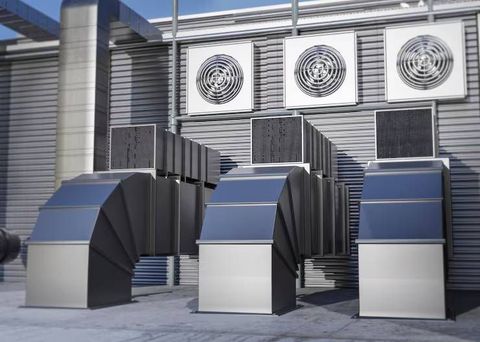
Air Systems Information Guide to Airflow, Pressure Control, and System Design
Updated: October 26, 2026
Read More