Automotive Pump Overview
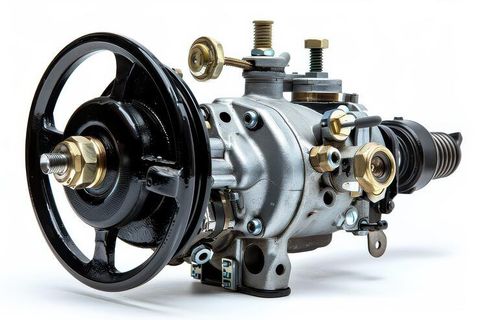
Automotive pumps move vital liquids through a vehicle. Every modern car relies on a network of small mechanical and electric devices to push fluids from storage tanks to the parts that need them.
Without this steady circulation, an engine would overheat, lose power, or stop working altogether. Understanding how these components operate helps everyday drivers recognize how their vehicles stay running safely on the road.
What Automotive Pumps Do in a Vehicle
At their core, automotive pumps create pressure and flow. Most fluids inside a car cannot rely on gravity alone to reach the engine or braking system, especially when a vehicle is accelerating, braking, or driving uphill. A pump draws liquid from a reservoir and pushes it through hoses, pipes, and narrow channels at a controlled rate.
Different fluids require different levels of pressure and flow speed. Engine oil needs steady pressure to coat moving metal parts, while windshield washer fluid only needs a quick burst to reach the glass. Because each fluid has a distinct thickness and operating temperature, vehicles use several specialized pumps rather than a single universal unit.
Mechanical vs. Electric Operation
Historically, most vehicle pumps were driven mechanically by the engine itself. Belts, gears, or chains connected the pump to the spinning crankshaft, meaning the pump worked faster whenever the engine sped up. While reliable, mechanical pumps draw power directly from the engine and cannot run when the engine is turned off.
Modern vehicles increasingly rely on electric pumps powered by the car's battery and managed by onboard computers. Electric designs allow the vehicle to adjust fluid flow based on exact driving conditions rather than engine speed alone. This shift is especially important in hybrid and fully electric vehicles, which still need cooling and lubrication even when no gasoline engine is running.
Main Types of Automotive Pumps
A typical passenger car contains half a dozen or more distinct pumps. Each one serves a specific system, and knowing their basic roles makes routine maintenance easier to understand.
Fuel Pump: Located inside or near the fuel tank, this component sends gasoline or diesel through the fuel lines to the engine. Modern fuel-injected engines require consistent, high pressure so the fuel sprays as a fine mist for clean combustion.
Water Pump: Often called a coolant pump, this device circulates a mixture of water and antifreeze through the engine block and radiator. It absorbs heat from the engine and carries it to the radiator, where airflow cools the liquid down before it repeats the cycle.
Oil Pump: Positioned inside the engine, the oil pump draws motor oil from the oil pan and pushes it through the oil filter to bearings, pistons, and camshafts. This continuous film of oil reduces friction and prevents metal surfaces from grinding against each other.
Power Steering Pump: In vehicles with hydraulic steering, this pump pressurizes steering fluid to make turning the steering wheel easier at low speeds. Many newer cars have replaced hydraulic systems with electric power steering motors, removing the need for this fluid pump.
Windshield Washer Pump: A small electric motor attached to the washer fluid reservoir sends cleaning solution through thin tubes to the spray nozzles on the hood or wiper arms.
Comparing Common Vehicle Pumps
| Pump Type | Primary Fluid Moved | Typical Drive Method | Main System Supported |
| Fuel Pump | Gasoline or diesel | Electric | Fuel delivery and combustion |
| Water Pump | Coolant and water mix | Belt, chain, or electric | Engine temperature control |
| Oil Pump | Engine motor oil | Gear or chain | Internal engine lubrication |
| Power Steering Pump | Hydraulic steering fluid | Serpentine belt | Steering assistance |
| Washer Pump | Windshield cleaning fluid | Electric | Driver visibility |
Why Proper Pump Function Matters
Because automotive pumps handle critical fluids, their steady operation directly affects vehicle safety, reliability, and longevity. When a pump delivers the right amount of fluid at the correct pressure, internal components stay within safe temperature and friction limits.
Protecting Engine Health
Heat and friction are two of the primary causes of mechanical wear inside a vehicle. The water pump and oil pump work together to keep both factors under control. If coolant stops circulating, engine temperatures can climb rapidly, potentially warping metal components or damaging seals. Similarly, a drop in oil pressure deprives moving parts of lubrication, which can lead to severe internal wear in a short amount of time.
Supporting Fuel Efficiency and Emissions
A healthy fuel pump ensures the engine receives the exact amount of fuel calculated by the vehicle's computer. Consistent fuel pressure helps maintain smooth idling, predictable acceleration, and efficient fuel use. Modern electric coolant and oil pumps also contribute to efficiency by reducing unnecessary drag on the engine when full pumping power is not needed.
Common Signs of Pump Wear
Like all moving parts, automotive pumps experience gradual wear over thousands of miles of driving. Seals can age, bearings can loosen, and debris in old fluids can wear down internal blades or gears. Paying attention to subtle changes in how a vehicle looks, sounds, or drives can help drivers spot potential issues early.
Fluid Leaks: Puddles or damp spots under a parked car often point to a worn seal or gasket on a water pump or power steering pump.
Unusual Noises: A whining, humming, or grinding sound coming from the engine bay or near the fuel tank can indicate worn pump bearings or a pump struggling to draw fluid.
Dashboard Warning Lights: Low oil pressure warnings or high engine temperature alerts signal that fluid circulation may be restricted or below normal levels.
Performance Changes: Hesitation during acceleration, difficulty starting the engine, or sudden stiffness when turning the steering wheel can sometimes trace back to reduced pump output.
Frequently Asked Questions
How long do automotive pumps usually last?
The lifespan of a vehicle pump varies depending on the pump type, driving habits, and maintenance routine. Many water, oil, and fuel pumps last well over 100,000 miles, though seals and belts may require attention sooner.
Do electric cars still use automotive pumps?
Yes, electric vehicles use several electric pumps. Even without a combustion engine, electric cars require coolant pumps to regulate battery and motor temperatures, along with pumps for windshield washer fluid and brake systems.
Can dirty fluids damage a vehicle pump?
Old or contaminated fluids can carry grit and sludge that wear down internal pump surfaces and clog intake screens. Following the vehicle manufacturer's schedule for oil, coolant, and fluid changes helps protect pump components.
Is it safe to drive if a pump stops working?
Driving when a critical pump fails is generally unsafe and can cause major mechanical damage. A failed water pump can lead to rapid overheating, while a failing oil or fuel pump can cause the engine to stall unexpectedly.
Summary
Automotive pumps play a quiet but vital role every time a vehicle is driven. By moving fuel, oil, coolant, and other liquids to the exact places they are needed, these components keep temperatures balanced, reduce friction, and support smooth control. Routine fluid checks and timely maintenance help keep these systems operating reliably throughout the life of the vehicle. This information is provided for general educational purposes and does not replace professional automotive inspection or repair advice.

Related Post...
EV Manufacturing Equipment Overview: Basics, Processes, and Key Details
Updated: September 04, 2026
Read More
Car Accessories Knowledge: Learn How Different Vehicle Additions Serve Everyday Purposes
Updated: August 31, 2026
Read More