Explore Silk Sleepwear Designs: Insights Into Fabrics, Styles, Fits and Comfort
Silk sleepwear combines a smooth textile surface with designs intended for nighttime comfort and relaxation.
Common examples include silk pajamas, nightgowns, camisoles, robes, and coordinated sleep sets. Understanding the fabric, construction, fit, and care requirements can help people make informed choices based on personal preferences and everyday use.
Silk sleepwear designs vary in fabric weight, weave, color, shape, and finishing details. Some styles use traditional silk, while others use silk blends or satin fabrics that can have a similar appearance but different fiber compositions. Looking at labels and construction details is therefore useful when comparing different garments.
Context – Understanding Silk Sleepwear
Silk is a natural protein-based textile fiber produced from silkworm cocoons. It has been used in clothing and textiles for centuries and is recognized for its smooth surface, drape, and relatively lightweight feel.
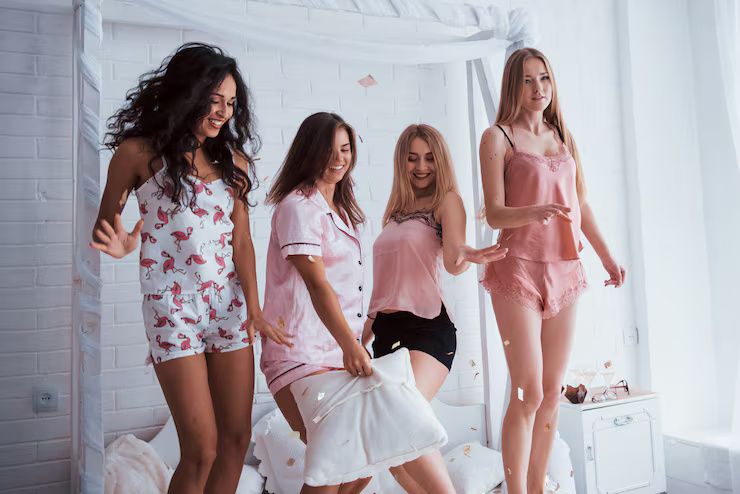
Silk sleepwear generally refers to garments designed for nighttime use. Typical designs include:
- Two-piece pajama sets
- Button-front sleep shirts
- Long or short nightgowns
- Camisole and shorts sets
- Silk robes
- Relaxed lounge-style garments
The term “silk” should not automatically be confused with “satin.” Silk describes a fiber, while satin generally describes a weave or fabric construction. Satin can be made from several fibers, including polyester and nylon, as well as silk.
Several types of silk may appear in sleepwear. Mulberry silk is associated with domesticated silkworms, while other varieties can come from different silkworm species. Fabric weight and weave also influence how a garment feels and behaves.
| Feature | What it can indicate |
|---|---|
| Fiber content | Whether the fabric is silk, a blend, or another fiber |
| Weave | Influences surface appearance and drape |
| Fabric weight | Affects warmth and overall feel |
| Garment cut | Influences movement and fit |
| Seam construction | Can affect durability and comfort |
| Care label | Provides cleaning and maintenance instructions |
The purpose of examining these characteristics is not simply appearance. Fabric structure, garment design, and maintenance requirements can all influence how suitable a particular style is for nighttime use.
Importance – Why Fabric, Fit and Comfort Matter
Sleepwear remains in contact with the skin for several hours, so fabric texture and garment construction can be important considerations. A smooth textile surface may feel different from a rougher or heavier material, while a loose design can provide a different experience from a close-fitting garment.
Fit is another important factor. Sleepwear that is too tight may restrict movement, while excessively loose garments can become inconvenient during sleep. Personal preferences, sleeping position, climate, and room temperature can all influence which design is appropriate.
Silk can also respond differently to moisture, washing, heat, and friction than many synthetic textiles. This makes care instructions particularly relevant.
For people comparing silk sleepwear designs, useful considerations include:
- Fabric composition and percentage of silk
- Weight and thickness
- Stitching and seam placement
- Waistband construction
- Sleeve and leg length
- Ease of movement
- Cleaning instructions
- Climate and seasonal use
People with sensitive skin may also pay attention to dyes, finishes, and textile certifications. Certifications can provide additional information, but they should be understood according to the specific standard rather than treated as a universal statement about every characteristic of a garment.
Recent Updates – Trends and Textile Developments
Recent textile developments have placed greater attention on material transparency, chemical testing, traceability, and environmental information. These developments can influence how manufacturers document fabrics and how consumers interpret textile labels.
OEKO-TEX® updated its testing criteria and requirements for 2026, with new criteria and limit values becoming applicable after a transition period ending June 1, 2026. Its STANDARD 100 framework tests textiles and components for harmful substances, with requirements varying according to intended use and skin contact.
Another significant development is the release of Global Organic Textile Standard (GOTS) Version 8.0 in March 2026. The new version has a transition period, with mandatory implementation scheduled for March 1, 2027. GOTS covers areas including organic raw materials, chemical management, traceability, environmental criteria, and social criteria.
For silk sleepwear, these developments make it increasingly useful to distinguish between:
- Fiber claims and certification claims
- Fabric composition and fabric appearance
- Voluntary standards and legal requirements
- Textile safety testing and general product characteristics
Modern sleepwear designs also continue to include variations such as adjustable straps, relaxed silhouettes, shorter garments, longer robes, piping, elastic waistbands, and coordinated sets. These are design variations rather than indicators of a particular fabric quality.
Laws or Policies – Textile Labeling and Sleepwear Rules
Rules for silk sleepwear depend on the country or region where a garment is manufactured, marketed, or distributed. There is no single worldwide textile regulation.
In the United States, the Federal Trade Commission states that most covered textile products must disclose fiber content, country of origin, and the identity of the manufacturer or another responsible business. The Textile Fiber Rule also addresses generic fiber names and fiber percentages.
U.S. care-label requirements are also relevant. The FTC Care Labeling Rule requires manufacturers and importers covered by the rule to provide appropriate care instructions. The instructions need to accurately describe regular care procedures.
Flammability requirements are another consideration. The U.S. Consumer Product Safety Commission administers requirements under the Flammable Fabrics Act. General clothing textiles are covered by 16 CFR Part 1610, while specific children's sleepwear requirements apply under 16 CFR Parts 1615 and 1616.
Children's sleepwear receives additional attention because of fire-related risks. CPSC explains that certain children's sleepwear must meet flammability requirements or qualify for specific exceptions, such as defined tight-fitting garments.
These rules demonstrate why labels should be read carefully. A fabric name, certification symbol, or design description does not replace applicable legal requirements.
Tools and Resources – Useful Information Sources
Several resources can help readers understand silk sleepwear fabrics, labels, care instructions, and textile standards.
The FTC's apparel and textile guidance is useful for understanding U.S. labeling requirements, fiber information, country-of-origin information, and care labels.
The U.S. CPSC provides information about clothing textile flammability and children's sleepwear requirements. These resources are particularly relevant when researching garments intended for children.
OEKO-TEX® provides information about STANDARD 100 testing and certification. Its framework considers harmful substances and applies different requirements according to the intended use of textile products.
GOTS provides documentation about organic textile standards, supply-chain requirements, certification, and its Version 8.0 framework.
A simple comparison checklist can also help:
- Check the fiber-content label.
- Review the care instructions.
- Examine the garment construction.
- Consider the intended climate and sleeping environment.
- Check any certification claim against the organization that issued it.
- Distinguish silk from satin and silk blends.
FAQs – Silk Sleepwear Questions
What is silk sleepwear?
Silk sleepwear consists of nighttime garments made partly or entirely from silk fiber. Common styles include pajamas, robes, camisoles, nightgowns, and coordinated sets.
Is silk the same as satin?
No. Silk identifies a fiber, while satin generally refers to a weave or fabric construction. Satin can be produced from silk or synthetic fibers such as polyester.
What should I check on a silk sleepwear label?
Check the fiber composition, country-of-origin information where applicable, manufacturer or responsible business information, and care instructions. Requirements vary by market.
How should silk sleepwear usually be cared for?
Care depends on the specific silk fabric, dye, construction, and finishing. The garment's care label should be followed because washing, drying, ironing, and dry-cleaning requirements can differ.
Are textile certifications the same as government regulations?
No. Certifications such as OEKO-TEX® STANDARD 100 and GOTS are separate from government regulations. A certification may provide information about particular textile criteria, while legal requirements depend on the applicable jurisdiction.
Conclusion – Key Insights Into Silk Sleepwear
Silk sleepwear designs can differ considerably in fabric composition, weight, weave, fit, construction, and care requirements. Understanding these details provides a clearer way to compare pajamas, robes, nightgowns, and other sleepwear styles.
Recent textile developments also emphasize chemical testing, traceability, labeling accuracy, and sustainability-related standards. Reading the fiber label and care instructions while checking relevant regulatory or certification information can support informed textile choices.
Silk sleepwear is best understood through both fabric characteristics and garment design. Comfort depends on personal preferences, fit, climate, construction, and how the fabric is maintained over time.
For current requirements, readers should consult the relevant government authority or certification organization for their specific country and product category.

Related Post...

Men’s Fashion Tips: Learn How to Build Stylish Everyday Outfits
Updated: September 03, 2026
Read More
Explore Silk Sleepwear Designs: Insights Into Fabrics, Styles, Fits and Comfort
Updated: September 21, 2026
Read More
Explore Luxury G-String Designs: A Complete Guide to Styles and Details
Updated: September 19, 2026
Read More