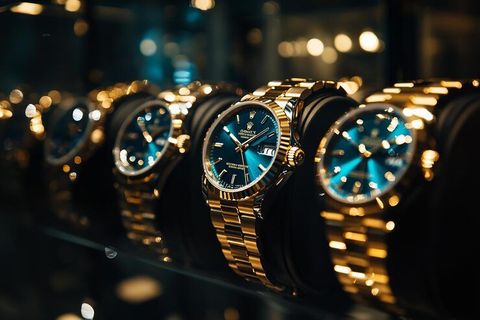
Luxury Fashion Explore Guide to Global Trends, Designer Styles, and Modern Elegance
Luxury fashion represents a combination of creativity, craftsmanship, cultural influences, and personal expression. It includes designer clothing, premium fabrics, elegant accessories, footwear, watches, and jewellery.
Around the world, luxury fashion continues to evolve as designers introduce new ideas while preserving traditional techniques and distinctive styles.
Understanding global luxury fashion trends helps people explore changing designs, fashion history, modern elegance, and the influence of international designers. From classic European tailoring to contemporary Asian fashion, the industry reflects different lifestyles, artistic traditions, and cultural identities.
Context – Understanding Luxury Fashion and Its Global Background
Luxury fashion refers to clothing, accessories, and personal style associated with exceptional craftsmanship, distinctive designs, premium materials, and established creative traditions. It has developed through centuries of fashion history, influenced by European tailoring, royal clothing, traditional textiles, and artistic movements.
Countries such as France, Italy, the United Kingdom, Japan, and the United States have played important roles in shaping international fashion. Paris became internationally recognised for haute couture, while Italy developed a strong reputation for leather craftsmanship, textiles, and tailoring.
Modern luxury fashion includes several categories:
Haute couture and designer collections
Luxury ready-to-wear clothing
Designer handbags and accessories
Fine watches and jewellery
Premium footwear
Sustainable and responsibly produced fashion
The purpose of luxury fashion extends beyond appearance. It represents design innovation, cultural identity, artistic creativity, and the preservation of specialised manufacturing techniques.
Today, digital platforms and international fashion events allow audiences to discover collections and design influences from different regions.
Importance – Why Luxury Fashion Matters
Luxury fashion has an important place in the global creative economy. It connects designers, textile specialists, manufacturers, photographers, fashion educators, and cultural institutions.
Its importance can be understood through several areas.
Cultural Identity and Creative Expression
Fashion reflects cultural traditions, historical influences, and individual creativity. Traditional embroidery, regional fabrics, handcrafted accessories, and distinctive silhouettes often become important elements of contemporary designer collections.
For example, Japanese minimalism, Indian textile traditions, Italian tailoring, and French haute couture demonstrate how different cultures influence global fashion.
Craftsmanship and Design Knowledge
Luxury fashion often involves specialised knowledge of fabric selection, garment construction, embroidery, pattern development, and finishing techniques.
These practices help preserve traditional craftsmanship while encouraging new approaches to clothing design.
Global Economic Influence
The luxury fashion industry contributes to international manufacturing, creative employment, tourism, retail activity, and cultural events.
Fashion weeks in Paris, Milan, London, and New York attract international designers, journalists, models, photographers, and industry professionals.
Personal Style and Modern Elegance
Luxury fashion also influences how people understand personal presentation. Some prefer timeless tailoring and neutral colours, while others enjoy experimental silhouettes, artistic patterns, and contemporary accessories.
The following table highlights important areas of luxury fashion.
Fashion category | Main characteristics |
|---|---|
Haute couture | Custom-designed garments and detailed craftsmanship |
Ready-to-wear | Designer clothing produced in standard sizes |
Luxury accessories | Handbags, belts, scarves, and other accessories |
Fine jewellery | Precious materials and detailed artistry |
Designer footwear | Distinctive shapes, materials, and construction |
Sustainable fashion | Responsible materials and production practices |
Recent Updates – Global Luxury Fashion Trends and Developments
Luxury fashion continues to change as designers respond to cultural interests, technological developments, environmental concerns, and changing consumer preferences.
Several developments are influencing contemporary collections.
1. Sustainable Luxury Fashion
Sustainability has become an important discussion across the fashion industry. Designers and manufacturers are exploring recycled textiles, responsibly sourced materials, longer-lasting garments, and improved production methods.
Some fashion houses are also introducing repair programmes and garment-care initiatives to extend product life.
2. Minimalist Designer Styles
Minimalism remains an influential design direction. Clean silhouettes, neutral colours, structured tailoring, and simple accessories create a refined appearance.
Common colours include:
Black and white
Beige and cream
Navy blue
Grey and brown
Soft natural shades
This approach focuses on garment construction, fabric quality, and timeless design rather than complicated decoration.
3. Digital Fashion and Artificial Intelligence
Technology is changing how fashion collections are developed and presented. Digital design software helps creative teams experiment with patterns, textures, and garment shapes.
Artificial intelligence can support trend analysis, visual development, inventory planning, and customer preference research.
Virtual fashion shows and digital clothing presentations also allow international audiences to explore collections through online platforms.
4. Cultural Fashion Influences
Global designers increasingly explore traditional patterns, regional textiles, and cultural craftsmanship.
Indian embroidery, Japanese-inspired silhouettes, African prints, and Mediterranean colour palettes demonstrate the international exchange of fashion ideas.
Responsible cultural representation remains important when incorporating traditional designs into contemporary collections.
5. Personalised Fashion Experiences
Personalisation is another developing trend. Digital measurement tools, virtual fitting rooms, and customised design platforms help people explore clothing styles that reflect their individual preferences.
These technologies also support more detailed communication between designers and customers.
Laws or Policies – Understanding Luxury Fashion Regulations
Luxury fashion operates within different legal and regulatory frameworks depending on the country where products are designed, manufactured, distributed, or displayed.
These rules help protect intellectual property, improve product transparency, and address environmental and labour-related responsibilities.
Important regulatory areas include:
Regulation or policy | Main purpose |
|---|---|
Trademark laws | Protect designer names, logos, and brand identities |
Copyright laws | Protect eligible original artistic and creative works |
Design protection | Protect qualifying original product designs |
Textile labelling rules | Communicate fibre composition and other required details |
Environmental regulations | Address environmental impacts of manufacturing |
Consumer protection laws | Promote accurate product information and fair practices |
In the European Union, textile labelling requirements include information about fibre composition. The EU also has broader environmental and sustainability policies affecting the textile industry.
In the United States, the Federal Trade Commission (FTC) regulates textile labelling and advertising practices. Its Textile Fiber Products Identification Act establishes requirements for identifying fibre content in covered textile products.
India also has relevant frameworks, including the Trade Marks Act, 1999, the Copyright Act, 1957, and applicable textile labelling and consumer protection requirements.
International fashion businesses must understand the regulations applicable to their products and operating locations.
Tools and Resources – Exploring Luxury Fashion Knowledge
Several educational platforms and digital resources help people understand designer collections, fashion history, international trends, and textile developments.
Useful resources include:
Vogue: Fashion journalism, designer collections, and international fashion coverage.
Business of Fashion: Industry analysis, fashion business developments, and market insights.
The Metropolitan Museum of Art: Fashion exhibitions, historical garments, and educational collections.
Victoria and Albert Museum: Resources covering fashion history, textiles, and decorative arts.
Google Trends: An online platform for exploring changes in fashion-related search interest.
Pantone: Colour research, colour systems, and seasonal colour information.
Fashion Revolution: Educational resources about transparency and sustainability in fashion.
These platforms can support fashion students, researchers, designers, and general readers.
When exploring luxury fashion, it is helpful to compare historical collections with modern designs. Studying fabrics, silhouettes, construction methods, and cultural influences provides a better understanding of how fashion develops.
FAQs – Luxury Fashion Guide and Modern Style Insights
1. What is luxury fashion?
Luxury fashion refers to designer clothing, accessories, footwear, watches, and jewellery recognised for distinctive design, craftsmanship, materials, and creative heritage.
2. Which countries influence global luxury fashion?
France, Italy, the United Kingdom, Japan, and the United States have significant fashion histories. India, South Korea, and other countries also contribute important design traditions and contemporary influences.
3. What are the major luxury fashion trends?
Important trends include minimalist styling, sustainable materials, traditional craftsmanship, personalised designs, digital fashion, and culturally inspired collections.
4. How does sustainability influence luxury fashion?
Sustainability encourages responsible material selection, improved manufacturing practices, textile recycling, garment repair, and longer product lifecycles.
5. How can beginners learn about designer fashion?
Beginners can explore fashion magazines, museum collections, designer archives, fashion exhibitions, textile education platforms, and international fashion week coverage.
Conclusion – Exploring the Future of Luxury Fashion
Luxury fashion combines traditional craftsmanship, modern design, cultural identity, and technological innovation. Its global development reflects changing artistic interests, sustainability discussions, and evolving approaches to personal style.
Understanding designer collections, international fashion traditions, and industry regulations provides useful knowledge about the wider fashion landscape.
The future of luxury fashion will continue to involve creative experimentation, responsible production, digital development, and cultural exchange. Exploring these developments helps readers understand how modern elegance and global fashion trends evolve over time.
Fashion education also encourages greater appreciation of textile knowledge, design history, and individual expression. By studying these elements, readers can develop a broader understanding of luxury fashion and its influence on contemporary culture.

Related Post...

Women’s Lingerie in Poland Guide: Discover Bras, Briefs, Bodysuits, and Nightwear Styles
Updated: October 09, 2026
Read More
Women’s Activewear Trends and Insights for Modern Fitness and Lifestyle Fashion
Updated: October 30, 2026
Read More
Micro Bikini Top Basics: Discover Comfort, Fit, and Practical Features for Swimwear
Updated: October 10, 2026
Read More