Men’s Fashion Tips: Learn How to Build Stylish Everyday Outfits
Building stylish everyday outfits does not require a complicated wardrobe. Men’s fashion tips can help people understand how colors, proportions, fabrics, footwear, and accessories work together for different occasions.
A practical approach focuses on comfort, personal preference, and clothing that fits the setting. Learning basic styling principles makes it easier to create balanced outfits for work, casual activities, social gatherings, and everyday routines.
Context
Men’s fashion refers to the clothing, footwear, accessories, colors, and styling choices commonly used by men. Everyday fashion focuses on practical combinations that can be worn regularly rather than outfits designed only for formal occasions.
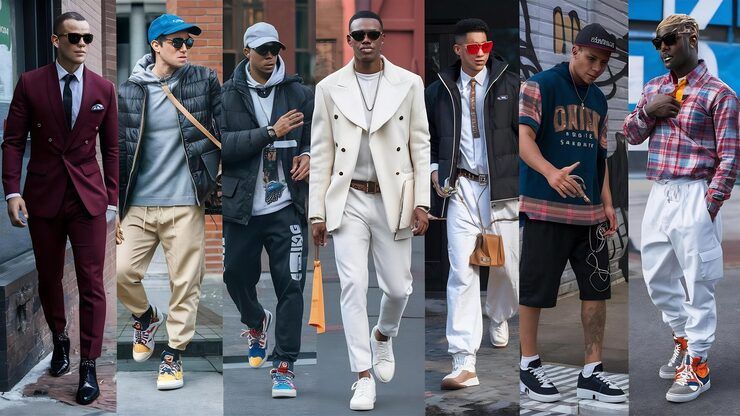
The purpose of learning men’s fashion tips is to understand how individual pieces work together. A simple outfit may include a shirt or T-shirt, trousers or jeans, footwear, and one or two accessories. The overall appearance depends on how these elements relate in color, fit, texture, and proportion.
Fashion has changed considerably over time. Earlier wardrobes often separated formal and casual clothing more clearly. Modern wardrobes commonly include versatile pieces that can work across several settings.
Some basic elements of everyday outfit planning include:
- Choosing clothing appropriate for the occasion
- Maintaining balanced proportions
- Combining compatible colors
- Considering fabric and weather
- Selecting footwear that suits the outfit
- Keeping accessories practical and coordinated
Fit is particularly important. Clothing that is too loose or too tight can change the visual balance of an outfit. A well-fitting garment generally creates a cleaner appearance without requiring elaborate styling.
Importance
Understanding everyday fashion can make dressing more organized and consistent. It can also help people recognize which combinations work well for their lifestyle, climate, workplace, and social activities.
Men’s fashion tips are useful for different age groups and style preferences. Someone who prefers minimalist clothing can focus on neutral colors and simple silhouettes, while someone interested in contemporary fashion may experiment with patterns, layers, and different textures.
The main areas to consider are:
| Fashion Element | What to Consider |
|---|---|
| Fit | Shoulder, sleeve, waist, and trouser proportions |
| Color | Coordination between major clothing pieces |
| Fabric | Season, comfort, texture, and occasion |
| Footwear | Formality and compatibility with clothing |
| Accessories | Practicality and visual balance |
| Layering | Weather and proportion |
| Occasion | Casual, business, formal, or social setting |
Personal style also develops through experimentation. Trying different combinations can help identify preferred colors, cuts, and clothing categories without following every fashion trend.
Recent Updates
Recent men’s fashion has continued to combine classic wardrobe foundations with relaxed and contemporary silhouettes. Several developments have become more visible across everyday clothing.
Relaxed tailoring is one notable direction. Trousers and jackets with slightly more room can provide a less restrictive appearance while retaining structure. Straight-leg and relaxed trousers have also become common alternatives to very narrow silhouettes.
Neutral colors remain practical for everyday wardrobes. Shades such as navy, gray, white, beige, brown, olive, and black can be combined in many ways.
Layering has also become increasingly useful. Overshirts, lightweight jackets, knitwear, and casual blazers can add structure while adapting an outfit to changing temperatures.
Other notable trends include:
- Greater use of relaxed and straight silhouettes
- Increased interest in textured fabrics
- Mixing traditional and casual clothing
- Simple, understated accessories
- More emphasis on versatile wardrobe pieces
- Continued interest in classic footwear styles
Seasonal conditions remain important. Lightweight cotton and linen can be suitable in warmer weather, while wool, heavier cotton, denim, and layered garments can provide greater warmth in cooler conditions.
Laws or Policies
Men’s fashion itself is not generally governed by a single worldwide set of laws. However, clothing production, labeling, advertising, consumer protection, environmental requirements, and workplace dress policies can be subject to different rules depending on the country.
Textile labeling requirements may specify information such as fiber composition, country of origin, manufacturer or responsible business information, and care instructions. Requirements vary by jurisdiction.
Advertising related to fashion products is also subject to general advertising rules. Claims should be accurate, understandable, and supported by appropriate evidence. Businesses promoting clothing through digital platforms must follow the applicable advertising policies of those platforms.
Workplaces can also establish dress codes. Depending on the industry and local regulations, employers may have requirements concerning safety clothing, uniforms, footwear, protective equipment, or professional appearance.
For consumers, the most relevant principle is to check the applicable national or regional rules when researching textile labeling, environmental claims, workplace requirements, or advertising practices.
Tools and Resources
Several simple tools can make everyday outfit planning easier. A wardrobe inventory can help identify frequently used colors, clothing categories, and gaps in combinations.
A basic color reference can also help when combining clothing. Complementary, analogous, and neutral color relationships provide useful starting points, although personal preference remains important.
Useful resources include:
- Wardrobe inventory spreadsheets
- Color wheels and color-reference guides
- Weather forecasting platforms
- Clothing measurement charts
- Garment care labels
- Fashion history references
- Digital wardrobe-planning applications
A measurement chart is particularly useful when evaluating fit. Common measurements include chest, waist, sleeve length, shoulder width, inseam, and neck size. Sizing systems can differ between countries and manufacturers, so measurements are often more informative than relying only on a letter or numerical size.
For everyday planning, a simple wardrobe framework can include several shirts or T-shirts, trousers or jeans, suitable footwear, outer layers, and a small selection of accessories. The exact number depends on lifestyle, climate, laundry routine, and personal preferences.
FAQs
What are the basic men’s fashion tips for everyday outfits?
Start with appropriate fit, coordinated colors, suitable footwear, and clothing that matches the occasion. Simple combinations often create a balanced appearance.
How can I make a casual outfit look more polished?
Pay attention to fit, clean lines, coordinated colors, and footwear. Adding a structured layer such as an overshirt or casual jacket can also change the overall appearance.
Which colors are easiest to combine?
Neutral shades such as navy, gray, white, beige, black, olive, and brown are generally versatile. They can be combined with stronger colors or patterns depending on personal preference.
How important is clothing fit in men’s fashion?
Fit is one of the most important elements because it affects proportions and comfort. The shoulders, sleeves, waist, and trouser length should generally work together visually.
How do I build stylish everyday outfits without following every trend?
Start with classic pieces that suit your lifestyle and add selected contemporary elements. Understanding fit, color, proportion, and occasion is more useful than following every short-term trend.
Conclusion
Learning men’s fashion tips is mainly about understanding how clothing pieces interact. Fit, color, proportion, fabric, footwear, and occasion provide a practical foundation for creating balanced everyday outfits.
A consistent wardrobe does not need to be complicated. By understanding personal preferences and adapting clothing choices to weather and different settings, men can develop practical styling habits that remain useful as trends change.
Everyday fashion is also a gradual learning process. Observing combinations, experimenting with different proportions, and understanding garment care can improve confidence in outfit planning over time.
The most useful approach is to prioritize comfort, appropriateness, and personal style rather than relying entirely on temporary trends.

Related Post...
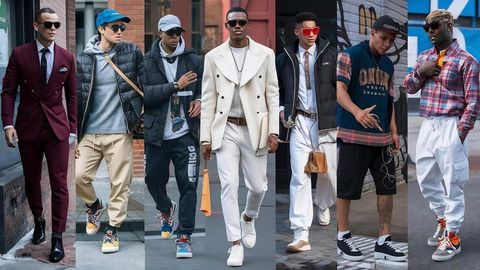
Men’s Fashion Tips: Learn How to Build Stylish Everyday Outfits
Updated: September 03, 2026
Read More