Triangle Bikini Trends Guide to Colors, Patterns, and Modern Beach Styles
Triangle bikinis are a familiar swimwear style known for their triangular fabric cups, adjustable straps, and simple design. They appear in a wide range of colors, patterns, fabrics, and finishes, making them a recognizable part of modern beach fashion.
Understanding triangle bikini trends can help people learn about swimwear design, color combinations, fabric choices, and seasonal style changes. This guide explores the background of triangle bikinis, their cultural influence, recent developments, relevant policies, and practical resources for understanding modern beach styles.
Context – Understanding Triangle Bikini Design
A triangle bikini is a two-piece swimsuit featuring triangular-shaped cups, usually connected by straps around the neck or shoulders and back. The lower piece may have matching colors and patterns, although some designs combine contrasting elements.
The style became widely recognizable during the twentieth century as swimwear designs evolved toward lighter fabrics and less restrictive shapes. Over time, triangle bikinis developed into numerous variations, including classic tie-side designs, fixed-strap versions, textured fabrics, and modern minimalist styles.
The main purpose of this design is to provide a relatively simple swimwear structure that can accommodate different aesthetic preferences. Coverage, support, and adjustability depend on the construction rather than the triangle shape alone.
Common design features include:
Adjustable ties that allow changes to the fit.
Removable padding in selected designs.
Different cup sizes and coverage options.
Fabrics such as nylon, polyester, and elastane blends.
Decorative details, including ribbing, stitching, and textured finishes.
Triangle bikini trends reflect broader developments in fashion, including changing color preferences, textile technology, environmental awareness, and individual approaches to personal style.
Importance – Why Triangle Bikini Trends Matter
Triangle bikini trends influence swimwear design, fashion photography, travel wardrobes, and seasonal clothing collections. They also illustrate how clothing styles change in response to culture, climate, materials, and personal preferences.
For consumers, understanding these trends provides useful information when comparing designs. Color, fabric, construction, and coverage can affect comfort and practicality, especially during swimming, beach activities, or extended outdoor use.
Designers and fashion researchers may examine triangle bikinis to understand how patterns, silhouettes, and materials evolve over time. Retail analysts and content creators may also study seasonal searches and fashion publications to identify emerging themes.
Several factors are particularly important when evaluating swimwear:
Comfort and fit: straps, seams, and cup construction should suit the intended activity.
Fabric performance: stretch, drying time, and resistance to chlorine or saltwater influence durability.
Personal preference: color, coverage, and design details vary between individuals.
Sun exposure: swimwear does not necessarily provide adequate protection against ultraviolet radiation.
A popular pattern or color is not automatically suitable for every setting. Practical considerations remain important alongside appearance.
Recent Updates – Colors, Patterns, and Modern Beach Styles
Triangle bikini trends change from season to season, although many classic designs remain familiar. Contemporary swimwear includes both understated options and expressive combinations of colors, prints, and textures.
Color Trends and Pattern Choices
Color selection is one of the simplest ways to distinguish different bikini styles. Neutral shades, bright colors, and nature-inspired tones all appear in contemporary swimwear collections.
Color or pattern | Common design characteristics | Style considerations |
|---|---|---|
Black and white | Simple, high-contrast appearance | Classic and adaptable |
Earth tones | Brown, olive, sand, and terracotta | Natural-looking color combinations |
Pastel shades | Soft pink, lavender, and pale blue | Light, understated appearance |
Bright colors | Coral, turquoise, yellow, and vivid green | Strong visual contrast |
Floral prints | Botanical shapes and multicolored details | Often associated with summer styling |
Geometric patterns | Repeated lines, shapes, and color blocks | Structured visual appearance |
Stripes | Horizontal, vertical, or diagonal lines | Traditional graphic styling |
Animal-inspired prints | Repeating organic patterns | Bold, expressive designs |
These categories describe established design approaches rather than a verified ranking of current consumer preferences. Actual popularity varies by market, season, and audience.
Fabric, Texture, and Construction
Fabric technology also contributes to modern triangle bikini design. Stretch materials help garments retain their shape, while lining and adjustable straps influence comfort and fit.
Textured fabrics, including ribbed knits and crinkled surfaces, provide visual variation without relying on printed patterns. Matte finishes create a different appearance from glossy or metallic-looking materials.
Some manufacturers incorporate recycled synthetic fibers into swimwear. However, recycled content alone does not establish a garment's overall environmental impact. Durability, manufacturing processes, care requirements, and fiber shedding also matter.
Other design developments include:
Reversible bikinis with different colors or patterns on each side.
Mix-and-match separates with contrasting tops and bottoms.
Adjustable coverage and removable padding.
Minimalist hardware and decorative stitching.
Textured surfaces that add detail without elaborate prints.
These features demonstrate the range of contemporary swimwear design without implying that one particular style is universally preferred.
Laws or Policies – Swimwear Rules and Public Guidelines
Triangle bikinis are subject to general clothing, consumer protection, public conduct, and advertising rules. The requirements depend on the country, state, municipality, venue, and intended use.
Beach and pool dress codes may differ. Some public swimming facilities require particular types of swimwear for hygiene or safety reasons. Private resorts and sporting facilities may establish additional clothing guidelines.
In India, public decency and local rules can affect expectations for clothing in public spaces. Appropriate requirements may differ between beaches, private pools, hotels, and other venues. Travelers should check local regulations and posted rules rather than assuming that every location follows the same standards.
Advertising and digital publishing also require care. Fashion content should use accurate product descriptions and avoid misleading claims about materials, sustainability, coverage, or performance. Images and descriptions should be appropriate for their intended audience and comply with the platform's advertising policies.
Relevant considerations include:
Local public decency and venue-specific dress codes.
Textile composition and labeling requirements in applicable markets.
Consumer protection rules concerning product claims.
Advertising standards governing truthful descriptions and imagery.
Sun-protection guidance from recognized public health authorities.
These are general educational points, not a complete legal assessment. Specific requirements should be verified with the relevant local authority or regulator.
Tools and Resources – Learning About Modern Swimwear
Several types of resources can help readers understand triangle bikini colors, patterns, fabric characteristics, and seasonal fashion developments.
Fashion magazines and established fashion publications provide editorial coverage of seasonal collections, runway influences, and changing design preferences. Textile education resources explain fiber composition, stretch properties, fabric construction, and care instructions.
For practical research, readers can explore:
Fashion trend reports to understand seasonal colors and patterns.
Textile science resources to learn about synthetic and natural fibers.
Garment care labels to understand washing and drying requirements.
Ultraviolet radiation guidance from public health organizations.
Local government websites for beach regulations and public conduct rules.
Search trend tools to compare interest in swimwear-related topics over time.
Google Trends can help compare search interest in phrases such as “triangle bikini styles,” “textured swimwear,” and “floral bikini patterns.” Search interest indicates relative attention over a selected period and region; it does not directly measure purchases or prove that a style is currently dominant.
When reviewing sustainability claims, look for specific information about fiber content, manufacturing practices, and recognized certification schemes where applicable. General terms such as “eco-friendly” may not provide enough detail to evaluate environmental performance.
FAQs – Triangle Bikini Trends Guide
1. What makes a triangle bikini different from other bikini styles?
A triangle bikini has triangular-shaped cups, usually with straps or ties. Other bikini styles may feature bandeau tops, underwire cups, halter structures, or wider fabric panels.
2. Which colors are commonly used in triangle bikinis?
Black, white, earth tones, pastels, and bright colors are established swimwear options. Floral, striped, geometric, and animal-inspired patterns provide additional variety. Preferences differ by individual and season.
3. Are triangle bikinis suitable for swimming?
They can be suitable for swimming when their construction provides adequate support and the straps remain secure during movement. Intended activity, fit, fabric quality, and personal comfort should guide the choice.
4. What fabrics are commonly used in modern triangle bikinis?
Nylon and polyester are frequently blended with elastane to provide stretch and shape retention. Some designs also use recycled synthetic fibers. Fabric composition and care instructions vary by garment.
5. How can readers identify emerging triangle bikini trends?
Readers can compare seasonal fashion reports, designer collections, magazine coverage, and regional search interest. Reviewing several sources over time provides a more balanced picture than relying on a single social media post or collection.
Conclusion – Key Insights Into Triangle Bikini Trends
Triangle bikini trends demonstrate how a familiar swimwear design can evolve through changes in color, pattern, fabric, and construction. Neutral shades, bright colors, geometric prints, textured materials, and adjustable features offer different approaches to modern beach styling.
Understanding these elements helps readers interpret fashion developments without assuming that every seasonal trend suits every person or activity. Comfort, appropriate coverage, fabric performance, and local clothing rules remain important considerations.
For further learning, fashion publications, textile education resources, and public health guidance provide useful information about swimwear design and practical care. Comparing reliable sources can also help distinguish established design characteristics from short-lived trends.

Related Post...

Bright Bikinis Explanation: Understand Swimwear Fabrics, Fits, and Different Bikini Styles
Updated: October 10, 2026
Read More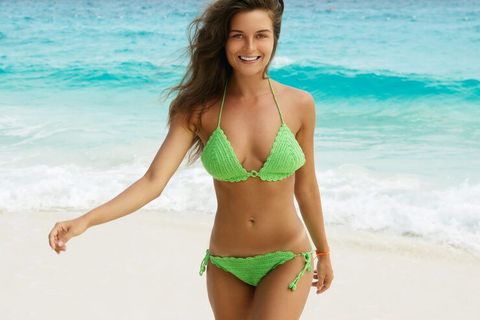
Triangle Bikini Trends Guide to Colors, Patterns, and Modern Beach Styles
Updated: October 23, 2026
Read More
High-Cut Brazilian Guide: Explore Swimwear Styles, Fit, Fabrics, and Design Features
Updated: October 10, 2026
Read More