Skydiving in Dubai: Discover the Complete Introduction to Tandem Skydiving
Skydiving in Dubai is an adventure activity in which a participant exits an aircraft at altitude and descends using a parachute.
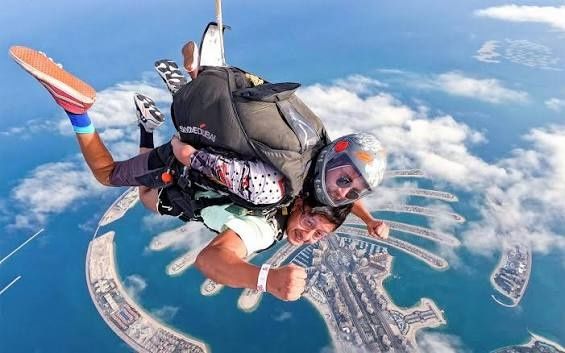
For first-time participants, tandem skydiving is designed around a connection between the participant and a qualified instructor, who manages the main technical parts of the jump. In Dubai, tandem jumps are associated with views of either the Palm Jumeirah area or the desert landscape.
Tandem skydiving combines preparation, aircraft flight, freefall, parachute descent, and landing. Before participating, people need to understand eligibility requirements, weather considerations, physical requirements, aviation rules, and the procedures established by the authorized parachuting organization.
Context – What Is Tandem Skydiving in Dubai?
Tandem skydiving is a form of skydiving intended largely for people who have not completed independent skydiving training. The participant is attached to an instructor through a specially designed harness system. The instructor is responsible for key technical procedures, including parachute deployment and managing the descent and landing.
A typical experience begins with registration and preparation on the ground. Participants receive instructions about body position, communication, equipment, and landing procedures. They then board an aircraft and travel to the required altitude.
During the jump, the aircraft exit is followed by a period of freefall. Skydive Dubai states that the average human body can fall at approximately 200 km/h, although the actual speed can vary according to factors such as body position and weight.
After the parachute opens, the instructor controls the descent and prepares for landing. The experience therefore involves considerably more than simply jumping from an aircraft; it includes aviation operations, parachute equipment, instructor procedures, weather assessment, and ground coordination.
Dubai's well-known tandem locations include the Palm dropzone and the desert campus. These provide different visual environments, with the Palm area associated with Dubai's coastal skyline and the desert location providing views of the surrounding sandy landscape.
Importance – Why Tandem Skydiving Requirements Matter
Understanding the requirements is important because skydiving involves aviation and physical activity. Participants must satisfy eligibility conditions before they can take part.
Current published requirements for Skydive Dubai state that tandem participants must generally be between 18 and 75 years old. Participants aged 70–75 require a Declaration of Fitness completed by a doctor. Weight and BMI limits also apply, with the published limits differing by sex.
| Area | Published tandem requirement |
|---|---|
| Minimum age | 18 years |
| Maximum age | 75 years |
| Ages 70–75 | Doctor-signed fitness declaration |
| Female weight/BMI | Up to 90 kg and BMI up to 27.5 |
| Male weight/BMI | Up to 100 kg and BMI up to 30 |
| Identification | Valid government photo ID |
| Clothing | Comfortable athletic clothing and suitable shoes |
| Alcohol/drugs | Avoid for at least 24 hours before the jump |
People with certain medical conditions may need medical clearance. The published guidance specifically identifies conditions including epilepsy, heart or lung disease, high blood pressure, diabetes, severe head injury, recurrent blackouts, and some neurological conditions.
These requirements can affect:
- First-time visitors to Dubai
- Adventure-travel participants
- Older adults
- People with specific medical conditions
- Participants with mobility considerations
- People planning activities such as scuba diving before skydiving
A participant should check the current requirements directly with the authorized operator and consult a doctor when medical questions apply.
Recent Updates – Trends and Developments
Tandem skydiving in Dubai continues to combine outdoor adventure with structured safety procedures and digital preparation tools. Online eligibility information includes a BMI calculator that allows participants to review basic physical criteria before arriving.
Another development is the availability of different dropzone environments. The Palm and desert locations provide different geographical settings, allowing participants to experience either an urban coastal landscape or a desert environment.
Weather remains an important operational factor. Skydiving depends on suitable atmospheric and flight conditions, so scheduled activities can be affected by operational decisions and weather assessments.
Technology also plays a role in documenting experiences. Depending on the selected arrangement, photography and video can be available, while certain personal recording devices may be restricted. For example, Skydive Dubai states that recording-capable smart glasses are not permitted on its premises.
Participants should therefore check the latest operational instructions rather than relying on older travel articles or social-media posts.
Laws or Policies – UAE Skydiving Rules
Skydiving in the UAE is subject to aviation regulations. UAE General Civil Aviation Authority regulations state that parachute jumps must comply with the applicable parachuting rules and that jumps must take place under the direct control of a GCAA-approved parachute jumping organization. The regulations also state that parachute jumping requires approval from the civil aviation authority of the relevant emirate.
The rules also address safety around air traffic, people, and property on the ground. Visibility and cloud-clearance requirements are included in the applicable parachuting regulations.
Importantly, aviation rules can change in response to airspace or national safety conditions. In March 2026, the GCAA published Safety Decision 2026-03, which included a temporary suspension covering certain specialized operations, including parachute operations and skydiving. This illustrates why participants should check current official notices before planning an activity.
The practical lesson is simple: skydiving should only take place through an appropriately authorized organization and under the applicable UAE aviation requirements.
Tools and Resources – Useful Information for Participants
Several resources can help people understand tandem skydiving before visiting Dubai.
The first resource is the official tandem skydiving information published by Skydive Dubai. It provides current information about eligibility, clothing, identification, medical requirements, locations, and operational guidance.
The second is the UAE General Civil Aviation Authority's regulatory information. Its publications explain the aviation framework governing parachuting operations and related flight activities.
Useful preparation steps include:
- Review age, weight, and BMI requirements.
- Check whether a medical declaration is necessary.
- Bring accepted government identification.
- Wear suitable athletic clothing and secure footwear.
- Avoid alcohol and drugs before the activity.
- Check weather and operational updates.
- Review current aviation notices before travel.
- Follow all instructions provided by the authorized operator.
The official operator also provides information for people with specific medical conditions and mobility considerations, so individual circumstances should be discussed before arrival when necessary.
FAQs – Tandem Skydiving in Dubai
What is tandem skydiving?
Tandem skydiving involves a participant being securely connected to a qualified instructor. The instructor handles the principal technical aspects of the jump, including parachute deployment and the descent.
What age is required for tandem skydiving in Dubai?
Skydive Dubai currently states that tandem participants must be 18 to 75 years old. Participants aged 70–75 need a Declaration of Fitness signed and stamped by a doctor.
Are there weight and BMI requirements?
Yes. The published requirements currently specify different limits for male and female participants. The stated limits are up to 100 kg with BMI up to 30 for males and up to 90 kg with BMI up to 27.5 for females.
Can someone with a medical condition participate?
It depends on the condition and individual circumstances. Certain medical conditions require a doctor-completed Declaration of Fitness, so participants should review the current medical requirements and seek appropriate medical advice.
Is skydiving regulated in the UAE?
Yes. UAE civil aviation regulations govern parachute operations, including requirements concerning approved organizations, safety, airspace, and operational conditions.
Conclusion – Understanding Skydiving in Dubai
Skydiving in Dubai provides an introduction to outdoor parachuting through tandem experiences that combine instructor supervision, aircraft operations, freefall, and parachute descent. Understanding eligibility, medical requirements, weather considerations, and aviation regulations is an important part of preparation.
For first-time participants, reliable information should come from authorized operators and UAE aviation authorities rather than informal sources. Requirements and operational conditions can change, so checking current guidance before the planned activity helps ensure that preparation is based on the latest available information.
Tandem skydiving is also different from independent skydiving. Independent participation requires formal training and licensing, while tandem experiences are structured around an instructor-participant system.
Anyone considering the activity should review the current rules, assess their individual circumstances, and follow all instructions provided by the authorized organization.

Related Post...
Skydiving in Dubai: Discover the Complete Introduction to Tandem Skydiving
Updated: September 18, 2026
Read More