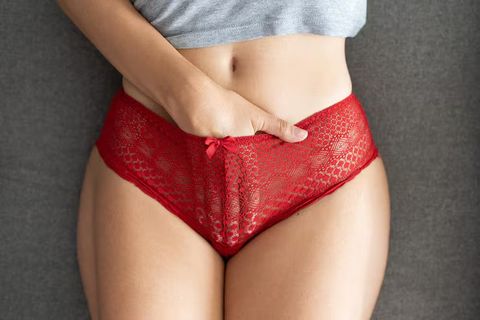
Thong Swimsuit Discover Guide: Learn About Modern Styles, Fabrics, and Design Details
A thong swimsuit is a type of swimwear designed with minimal rear coverage and a narrow strip of fabric at the back. It is available in different cuts, fabrics, colors, waist heights, and construction styles, making it part of the wider range of modern swimwear designs.
Understanding thong swimsuit styles involves looking at fabric composition, fit, construction, lining, support, and intended use. This guide explains the basics, recent developments, relevant policies, and practical resources in a neutral and educational way.

Context – What Is a Thong Swimsuit?
A thong swimsuit is characterized by its limited back coverage. The design generally has a front panel connected to a narrow rear section, although the exact construction varies between manufacturers and styles.
Thong-style swimwear has developed alongside broader changes in swimwear design. Earlier swimwear generally emphasized greater coverage, while later designs introduced different silhouettes for recreational swimming, beachwear, tanning, sports, and fashion.
Common design elements include:
| Feature | Description |
|---|---|
| Back coverage | Minimal fabric at the rear |
| Waistline | Low, mid, or high-rise options |
| Fabric | Often nylon, polyester, elastane, or blends |
| Lining | May provide additional comfort and coverage |
| Straps | Fixed, adjustable, narrow, or wider |
| Construction | One-piece or two-piece formats |
| Fit | Varies according to pattern and body measurements |
Fabric selection can influence stretch, drying time, durability, and shape retention. Elastane is commonly combined with synthetic fibers to provide flexibility and recovery.
The term can also describe different silhouettes rather than one standardized pattern. For this reason, checking the manufacturer's size chart and garment measurements is important when comparing designs.
Importance – Why Does Design Matter?
Swimwear design affects comfort, movement, fit, and suitability for different activities. A garment that works well for casual beach use may have different construction requirements from one intended for swimming or water-based exercise.
Fabric composition is particularly important. Polyester can provide resistance to repeated exposure to water and sunlight, while nylon is known for its softness and flexibility. Elastane adds stretch but can gradually lose elasticity when exposed to chlorine, saltwater, heat, or unsuitable care practices.
Important factors include:
- Fit around the waist and hips
- Stretch and recovery of the fabric
- Quality of seams and stitching
- Lining and construction
- Resistance to chlorine and saltwater
- Care and washing requirements
- Intended activity and movement
Body proportions also influence how a swimsuit fits. Two garments with the same nominal size can feel different because of variations in pattern design, fabric stretch, rise, and seam placement.
Recent Updates – Trends and Developments
Modern swimwear has increasingly incorporated technical fabrics and construction methods designed to improve flexibility and durability. Recycled polyester and other recycled synthetic fibers are also being used in some swimwear collections as manufacturers explore different material approaches.
Digital printing has expanded the range of patterns and surface designs available for swimwear. Advances in fabric finishing can also affect properties such as color retention, resistance to fading, and drying behavior.
Some current design developments include:
- High-rise and adjustable-waist silhouettes
- Reversible swimwear construction
- Recycled-fiber fabrics
- Chlorine-resistant textile blends
- Seamless or reduced-seam construction
- Textured and digitally printed fabrics
- Adjustable straps and multi-position designs
Sustainability discussions have also increased attention on fiber selection, garment longevity, production methods, and textile recycling. However, environmental characteristics differ substantially between materials and manufacturing processes, so individual product claims should be checked carefully.
Another development is greater variation in coverage. Contemporary swimwear includes full-coverage, moderate-coverage, cheeky, and thong-inspired designs, allowing consumers to choose different silhouettes according to personal preference and context.
Laws or Policies – Relevant Rules and Regulations
Thong swimsuits are generally subject to the same broad consumer, textile, labeling, advertising, and public-decency rules that apply to other forms of swimwear. Specific requirements depend on the country, state, territory, venue, and intended use.
Textile labeling rules may require information such as fiber composition, country of origin, manufacturer or responsible-party details, and care instructions. Requirements differ between jurisdictions.
Public swimming facilities can also establish their own dress codes. A swimsuit permitted at a beach may not necessarily meet the clothing requirements of a particular pool, water park, school, or sporting facility.
Advertising and online content involving swimwear may also be subject to platform-specific policies. Images and descriptions should remain appropriate for the intended audience and comply with applicable advertising standards.
For accurate regulatory information, readers should consult the relevant government consumer-protection authority, textile regulator, or venue rules in their jurisdiction.
Tools and Resources – Useful Information Sources
Several resources can help readers understand swimwear materials, measurements, and textile requirements.
Useful resources include:
- Government consumer-protection websites for textile labeling rules
- Textile organizations for information about fibers and fabric properties
- Manufacturer size charts for garment measurements
- Care labels for washing and maintenance instructions
- Swimming organizations for activity-specific clothing guidance
- Fabric dictionaries for understanding synthetic and blended materials
A basic comparison can help when evaluating fabric characteristics:
| Material | Common Characteristics |
|---|---|
| Nylon | Soft, flexible, and commonly used in swimwear |
| Polyester | Durable and commonly used for chlorine-resistant fabrics |
| Elastane | Provides stretch and shape recovery |
| Recycled polyester | Made from recycled polyester sources |
| Fabric blends | Combine properties from multiple fibers |
Care instructions should always take priority over general washing advice because fabric blends and finishes can respond differently to heat, detergents, chlorine, and other conditions.
FAQs
What is a thong swimsuit?
A thong swimsuit is swimwear with minimal rear coverage. It can appear as part of a bikini or as another swimwear construction, depending on the design.
What fabrics are commonly used?
Nylon, polyester, elastane, and blends of these fibers are commonly used. The exact composition depends on the garment and its intended characteristics.
Is a thong swimsuit suitable for swimming?
Suitability depends on the activity, personal preference, fit, and rules of the swimming venue. Some pools or organized activities may have specific clothing requirements.
How should thong swimwear be maintained?
Follow the garment's care label. Many swimwear items benefit from rinsing after exposure to chlorine or saltwater and avoiding excessive heat during drying.
How can the fit be understood?
Check the manufacturer's measurement information rather than relying only on a general size label. Waist, hip, rise, and fabric stretch can all affect the final fit.
Conclusion
Thong swimsuits represent one category within modern swimwear, distinguished primarily by their minimal rear coverage. Their design can vary significantly in fabric, rise, construction, lining, straps, and overall fit.
Understanding textile composition, garment measurements, care instructions, and venue policies can help readers make informed decisions about swimwear suitability. Recent developments include recycled materials, technical fabrics, digital patterns, and greater variation in construction.
Swimwear preferences are personal, and different designs can serve different activities and settings. Checking garment information and applicable local rules provides useful context before using a particular style.

Related Post...

Taneira Sarees Guide: Explore Handcrafted Designs, Fabrics, Colors and Cultural Details
Updated: September 19, 2026
Read More
Bodysuit Shapewear Tips: Discover How Different Designs Affect Comfort and Fit
Updated: September 18, 2026
Read More
Explore Luxury G-String Designs: A Complete Guide to Styles and Details
Updated: September 19, 2026
Read More