Beginner's Guide to Hospital Equipment and Medical Devices
Medical equipment is a broad term for tools used in care. For general readers, understanding this world can feel overwhelming because the products range from simple bandages to complex imaging machines.
This guide explains the basic categories, how equipment reaches buyers, and the financial options that make purchases possible.
Understanding Medical Device Classes
Not all medical equipment carries the same level of risk. Regulatory agencies like the U.S. Food and Drug Administration group devices into three classes based on the potential harm they pose to users or patients. This system helps buyers understand why some products require more oversight than others.
Class 1 devices present the lowest risk. Examples include oxygen masks, surgical tools, and elastic bandages. Most of these are simple in design and face general controls like good manufacturing practices and adverse event reporting. Class 2 devices carry moderate risk and include powered wheelchairs and some pregnancy test kits. They require special controls such as labeling requirements and performance standards.
Class 3 devices support or sustain life, are implanted in the body, or pose a high risk of illness or injury. Pacemakers and breast implants fall into this category. These devices require premarket approval, meaning manufacturers must prove safety and effectiveness before selling them.
How Medical Equipment Reaches Buyers
The path from manufacturer to user involves several types of businesses. Medical device companies design and produce the products. Some are large global firms like Medtronic, Johnson & Johnson MedTech, and Siemens Healthineers, which rank among the largest by revenue. Others are smaller specialists focused on specific types of equipment.
Medical equipment sales happen through several channels. Direct sales representatives from manufacturers often handle complex or high-value devices, providing training and support. Distributors and dealers serve as intermediaries, especially for smaller facilities that may not buy in large volumes. Online marketplaces have also emerged as a channel for both new and used equipment, though buyers should verify seller credibility carefully.
Hospitals, clinics, laboratories, and private practices all participate in medical equipment sales as buyers. The choice of channel often depends on the device type, the facility’s size, and the level of support needed after purchase.
Financing and Leasing Options
Not every facility can pay the full cost of medical equipment upfront. Medical equipment financing allows buyers to spread payments over time, preserving cash for other needs like staff and supplies. This option is common for diagnostic machines, imaging systems, and surgical tools.
Medical equipment leasing is a related but different arrangement. With a lease, the facility typically makes regular payments for use of the equipment without owning it outright. Leases can cover up to the full cost of equipment and may include maintenance and insurance in the monthly payment. At the end of the lease, the facility may have the option to purchase the equipment, upgrade to newer models, or return it.
The table below compares common acquisition methods.
| Method | Ownership | Upfront Cost | Best For |
|---|---|---|---|
| Direct purchase | Full ownership | High | Equipment with long useful life and stable technology |
| Financing loan | Ownership after payments | Low to none | Facilities that want to own but need to spread costs |
| Operating lease | None during term | Low | Technology that may become outdated quickly |
| Used purchase | Full ownership | Lower than new | Equipment with durable designs and available parts |
Buying Used Medical Equipment Safely
The secondary market for medical equipment offers significant savings potential. Some surgical facilities could source as much as 30 to 40 percent of their capital equipment through resellers without sacrificing quality, according to one industry estimate. However, buying used carries risks that require a careful approach.
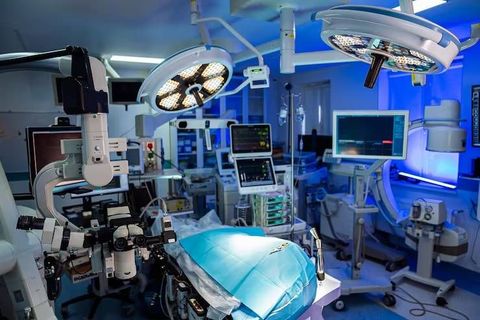
The first step is choosing what not to buy used. Equipment subject to heavy wear and tear, such as flexible scopes and certain surgical instrument sets, may not be good candidates. Technology that changes quickly, like video monitors and cameras, is also often better purchased new. Items that hold up well include stretchers, operating tables, surgical lights, anesthesia machines, and patient monitors.
Inspection is critical. Buyers should verify the device’s model and serial number, request service history and calibration records, and confirm electrical safety through testing. For devices that measure clinical values, recent calibration certificates are essential. Software versions and license transferability should also be confirmed, especially for networked devices.
Working with a reputable vendor matters as much as inspecting the product. Good resellers offer warranties covering both parts and labor, provide references, and are transparent about their refurbishment process. Buyers should treat online marketplaces as lead sources rather than validation tools, confirming seller credibility, documentation, and testing proof before payment.
Questions Buyers Often Ask
What is the difference between medical equipment financing and leasing?
Financing typically leads to ownership after the loan is repaid. Leasing usually involves paying for use of the equipment without ownership, though some leases offer a purchase option at the end. Both options reduce the need for large upfront payments.
Is it safe to buy used medical equipment?
Yes, with proper precautions. The key is inspection, documentation, and working with vendors who provide clear warranties and testing records. Buying without verification increases the risk of unexpected repairs or safety issues.
Do all medical devices need regulatory approval?
No. In the United States, many Class 1 devices are exempt from premarket notification requirements, though manufacturers must still register and list their products. Higher-risk devices require more extensive review before they can be sold.
Can small clinics access the same equipment as large hospitals?
Often yes, through financing, leasing, or the secondary market. The main differences are typically in scale and support arrangements rather than product availability.
Conclusion
Understanding medical equipment starts with recognizing the range of devices and the systems that govern them. Classification tells buyers about risk levels. Sales channels explain how products reach facilities. Financing and leasing make expensive purchases manageable. And the used market, while requiring caution, offers a practical path to savings. For general readers, this knowledge provides a foundation for making sense of a complex but important part of healthcare.

Related Post...

Chemical Manufacturing Resources: A Complete Guide to Equipment, Processes, and Industry Standards
Updated: October 12, 2026
Read More