Chemical Processing Overview: Discover Processes, Materials, and Modern Industry Practices
Chemical processing is an important part of modern industry, transforming raw materials into useful substances through controlled chemical and physical operations.
It supports the production of fuels, fertilizers, medicines, plastics, food ingredients, cleaning products, and many other materials used in everyday life.
Understanding chemical processing involves learning about industrial processes, raw materials, reaction conditions, equipment, environmental controls, and safety practices. This overview explains the fundamentals of chemical processing, its industrial importance, recent technological developments, relevant regulations, and resources for further learning.
Context – Understanding Chemical Processing
Chemical processing refers to operations that transform materials into products with specific chemical compositions or physical properties. These operations may involve chemical reactions, separation, purification, heating, cooling, mixing, or changes in pressure.
A chemical process can begin with raw materials such as petroleum, natural gas, minerals, agricultural products, water, or recycled substances. These materials pass through a sequence of operations before reaching the required quality and composition.
Chemical processing is used across several industries, including petrochemicals, pharmaceuticals, food production, agriculture, mining, water treatment, and materials manufacturing.
Common chemical processing operations include:
Reaction: Converting substances into different chemical compounds.
Mixing: Combining materials to achieve a consistent composition.
Distillation: Separating components according to differences in volatility.
Filtration: Removing suspended particles from liquids or gases.
Crystallization: Producing solid crystals from a solution or melt.
Drying: Removing moisture or other volatile components.
Heat exchange: Transferring thermal energy between materials.
The following table summarizes some common processes and their applications.
| Process | Main purpose | Typical application |
|---|---|---|
| Distillation | Separating components | Petroleum refining and solvent recovery |
| Chemical reaction | Producing new compounds | Fertilizer and chemical manufacturing |
| Filtration | Removing suspended particles | Water treatment and product purification |
| Absorption | Transferring a component into a liquid | Gas treatment and pollution control |
| Crystallization | Forming solid crystals | Pharmaceutical and specialty chemical production |
| Evaporation | Removing a volatile liquid | Concentrating solutions |
| Drying | Reducing moisture content | Powder and material production |
Industrial plants combine these operations according to the properties of the raw materials and the characteristics of the intended product.
Importance – Why Chemical Processing Matters
Chemical processing supports essential industrial activities by converting natural resources and intermediate materials into substances required for manufacturing, agriculture, healthcare, energy, and infrastructure.
For example, fertilizer production depends on chemical processes that create compounds used to supply nutrients to plants. Petroleum refining separates and transforms hydrocarbons into fuels and other materials. Pharmaceutical manufacturing uses controlled reactions and purification steps to produce substances that meet defined specifications.
Chemical processing also affects product consistency and resource efficiency. Accurate control of temperature, pressure, concentration, reaction time, and flow rates helps maintain consistent operating conditions.
Several groups depend on effective chemical processing practices:
Engineers who design equipment and process systems.
Operators who monitor plant conditions and production activities.
Laboratory personnel who test raw materials and finished products.
Environmental specialists who assess emissions and waste streams.
Safety professionals who identify hazards and establish protective measures.
Regulatory authorities responsible for applicable environmental and industrial requirements.
Poor process control can result in inconsistent products, equipment damage, excessive energy use, unwanted emissions, or hazardous incidents. Appropriate monitoring, maintenance, training, and emergency planning are therefore essential parts of industrial operations.
Recent Updates – Modern Chemical Processing Practices
Chemical processing is changing through developments in automation, digital monitoring, energy efficiency, advanced materials, and environmental management.
One important development is the use of digital process monitoring. Sensors can measure temperature, pressure, flow, concentration, and other variables. Industrial control systems use these measurements to help operators maintain suitable operating conditions and identify abnormal behavior.
Artificial intelligence and machine learning are also being applied to selected industrial tasks. Depending on the application, these technologies can support equipment monitoring, production scheduling, anomaly detection, and analysis of process data. Their usefulness depends on data quality, system design, and appropriate human oversight.
Another important area is process intensification. This approach seeks to achieve a required process outcome with more efficient equipment or a smaller processing footprint. Examples may include improved heat-transfer systems, advanced reactors, and integrated separation techniques.
Environmental considerations are influencing material selection and process design. Some facilities are examining heat recovery, solvent recovery, electrification, renewable energy, water reuse, and lower-emission production methods.
Circular manufacturing is also receiving attention. It focuses on keeping materials in productive use through reuse, recycling, recovery, and improved product design. Chemical recycling can process certain waste materials into chemical feedstocks, although its environmental performance depends on the technology, energy source, feedstock quality, and overall process conditions.
These developments do not eliminate industrial risks. New equipment and digital systems still require validation, maintenance, cybersecurity controls, and appropriate safety procedures.
Laws or Policies – Industrial Safety and Environmental Compliance
Chemical processing facilities may be subject to occupational safety rules, environmental regulations, chemical management requirements, transportation restrictions, and emergency planning obligations. The applicable framework depends on the country, substances involved, facility type, and scale of operations.
In the United States, the Environmental Protection Agency administers several environmental regulations relevant to chemical facilities. These can include requirements relating to air emissions, hazardous waste, water pollution, and chemical risk management.
The US Occupational Safety and Health Administration establishes workplace safety requirements. Its Process Safety Management standard, where applicable, addresses hazards associated with highly hazardous chemicals through requirements involving process information, hazard analysis, operating procedures, training, mechanical integrity, and emergency planning.
Internationally, the Globally Harmonized System of Classification and Labelling of Chemicals provides a framework for communicating chemical hazards through classification, labels, and safety data sheets. Its implementation depends on national and regional rules.
In India, chemical processing facilities may need to consider environmental legislation, factory safety requirements, hazardous chemical rules, and applicable pollution-control permissions. Depending on the activity, relevant authorities may include the Central Pollution Control Board, State Pollution Control Boards, and other designated regulators.
Important compliance activities can include:
Identifying chemical hazards and assessing exposure risks.
Maintaining accurate safety data sheets and chemical inventories.
Monitoring emissions, wastewater, and hazardous waste.
Maintaining equipment and documenting inspections.
Establishing emergency response and incident-reporting procedures.
Training personnel in relevant operating and safety practices.
Compliance requires reviewing current official rules and determining which provisions apply to a particular facility. Meeting one regulatory requirement does not automatically establish compliance with every other applicable obligation.
Tools and Resources – Learning About Chemical Processing
Several types of resources help students and industry professionals understand chemical processing fundamentals and modern industrial practices.
Technical textbooks and educational materials can explain mass balances, energy balances, chemical reaction engineering, thermodynamics, fluid flow, and separation processes. These subjects provide the foundation for understanding how industrial systems operate.
Useful technical tools include:
Process simulation software for modeling flowsheets and evaluating operating scenarios.
Spreadsheet tools for material balances, energy calculations, and process data analysis.
Process flow diagrams for illustrating major equipment and material streams.
Piping and instrumentation diagrams for showing piping, instruments, and control arrangements.
Safety data sheets for reviewing chemical hazards, handling precautions, and emergency measures.
Process hazard analysis methods for systematically examining potential failures and hazardous scenarios.
Government environmental and occupational safety publications can help readers understand regulatory responsibilities. Engineering handbooks and peer-reviewed research can provide additional technical context.
A useful learning sequence begins with basic chemistry and material properties, followed by mass and energy balances, reaction principles, separation techniques, process equipment, instrumentation, and industrial safety.
FAQs – Chemical Processing Overview
What is chemical processing?
Chemical processing involves transforming raw materials through chemical reactions and physical operations to produce substances with specific compositions or properties. It is used in industries such as pharmaceuticals, petrochemicals, agriculture, and food production.
What are the main types of chemical processing operations?
Common operations include chemical reactions, distillation, filtration, absorption, crystallization, evaporation, drying, and heat exchange. A facility combines operations according to its production requirements.
What equipment is used in chemical processing?
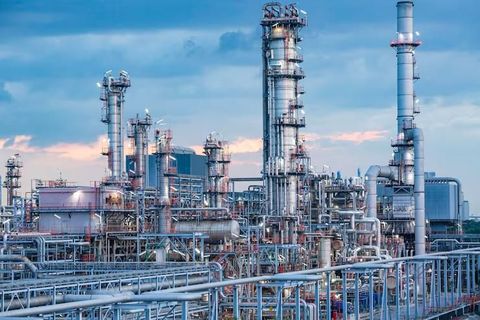
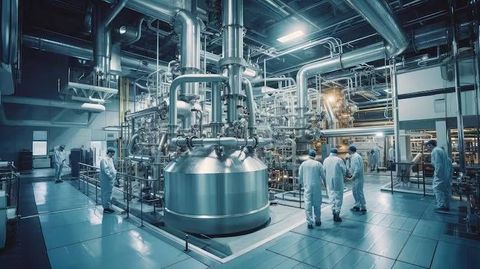
Typical equipment includes reactors, storage tanks, pumps, heat exchangers, distillation columns, filters, dryers, and process-control instruments. Equipment selection depends on material properties and operating conditions.
How does automation improve chemical processing?
Automation helps monitor process variables, regulate equipment, record operating data, and identify abnormal conditions. It can support consistency and operational efficiency but requires suitable design, maintenance, and oversight.
Why is safety important in chemical processing?
Chemical processing may involve hazardous substances, high temperatures, pressure, flammable materials, or reactive chemicals. Risk assessment, suitable equipment, trained personnel, maintenance, and emergency procedures help reduce the likelihood and consequences of incidents.
Conclusion – Understanding Modern Chemical Processing
Chemical processing transforms raw materials into useful substances through carefully designed chemical reactions and physical operations. Its applications extend across energy, healthcare, agriculture, manufacturing, water treatment, and many other industrial sectors.
Modern practices increasingly combine automation, process monitoring, energy efficiency, and improved environmental management. These developments can support better process control, but their effectiveness depends on sound engineering, reliable data, and appropriate safety measures.
Understanding chemical processing begins with learning the basic operations, materials, and equipment involved. Knowledge of industrial safety, environmental responsibilities, and applicable regulations is equally important for evaluating how chemical facilities operate and how their impacts can be managed.

Related Post...
Chemical Processing Overview: Discover Processes, Materials, and Modern Industry Practices
Updated: October 12, 2026
Read More