Explore Classic and Modern Engagement Ring Designs
Engagement rings combine personal meaning, design preferences, and traditions that have developed over many generations.
Classic designs often emphasize familiar shapes and balanced details, while modern engagement ring designs may use unusual settings, geometric forms, mixed metals, or contemporary gemstone arrangements.
Understanding engagement ring designs can help people recognize differences in styles, materials, settings, and gemstone characteristics. This guide explains classic and modern approaches in simple terms, along with recent design developments, relevant policies, and practical resources for learning more.
Context
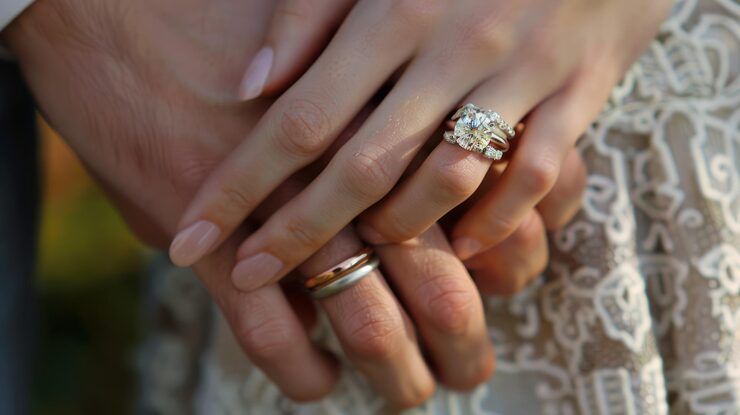
An engagement ring is traditionally associated with a commitment to marriage. Although customs vary by country and culture, the ring commonly features a central gemstone surrounded by a metal setting.
Classic engagement ring designs generally have a timeless appearance. Solitaire rings, three-stone rings, halo settings, and traditional round gemstones are examples of styles that have remained recognizable across different periods.
Modern engagement ring designs can reinterpret these established ideas. Designers may change the shape of the band, position the gemstone differently, or combine contrasting materials. Some contemporary styles emphasize clean lines and minimal decoration, while others use distinctive shapes and asymmetrical details.
Common design elements include:
| Design element | What it describes |
|---|---|
| Setting | How the gemstone is held in place |
| Center stone | The main gemstone featured in the ring |
| Band | The metal portion surrounding the finger |
| Halo | Smaller stones arranged around a center stone |
| Prongs | Small metal supports holding a gemstone |
| Three-stone design | A ring featuring three prominent gemstones |
| Pavé | Small stones set closely along part of the band |
The purpose of comparing styles is not to identify one universally best design. Instead, it helps people understand how appearance, construction, symbolism, and everyday practicality can differ.
Importance
Engagement ring design matters because a ring may be worn regularly for many years. Its shape, setting, materials, and construction can therefore influence comfort, maintenance, durability, and appearance.
Classic designs can appeal to people who prefer familiar proportions and traditional styling. Modern designs may be more appropriate for those interested in distinctive silhouettes or contemporary details.
Several factors can affect how a design works for an individual:
- Daily activities and lifestyle
- Preferred gemstone shape
- Metal color and composition
- Ring profile and overall height
- Desired level of decorative detail
- Finger proportions and comfort
- Personal or family traditions
The gemstone is only one part of the overall design. Two rings containing similarly shaped stones can look substantially different because of their settings, bands, proportions, and surrounding details.
Recent Updates
Engagement ring trends continue to change as design preferences, technology, and gemstone choices evolve. One notable development is greater awareness of laboratory-created gemstones and the importance of describing gemstones accurately.
Contemporary designs increasingly include elongated gemstone shapes, low-profile settings, sculptural bands, mixed-metal appearances, and vintage-inspired details combined with modern construction.
Another development is greater attention to personalization. Some designs incorporate unusual side stones, colored gemstones, engraved details, or combinations of traditional and contemporary elements.
Laboratory-created diamonds have also become an important part of the broader jewelry landscape. The U.S. Federal Trade Commission's Jewelry Guides emphasize that gemstone descriptions should accurately communicate whether a stone is natural, laboratory-created, or an imitation.
Technology has also changed how people explore designs. Digital visualization, computer-aided design, and three-dimensional modeling can make it easier to understand proportions and compare different ring structures before making decisions.
Laws or Policies
Rules concerning engagement rings vary by country and jurisdiction. Jewelry descriptions, gemstone disclosures, precious-metal standards, hallmarking, taxation, and consumer protection requirements may all apply depending on where a transaction takes place.
In the United States, the Federal Trade Commission's Jewelry Guides address truthful descriptions of gemstones, precious metals, treatments, quality, origin, and other material characteristics. The guidance is intended to prevent misleading representations in jewelry marketing.
In India, the Bureau of Indian Standards operates the hallmarking framework for gold and silver jewelry. BIS explains that hallmarking provides an official indication of precious-metal purity or fineness.
For hallmarked gold jewelry in India, the BIS framework includes the BIS Standard Mark, purity or fineness information, and a six-digit Hallmark Unique Identification number, commonly called HUID. BIS states that HUID information can be verified through the BIS CARE application.
BIS also maintains a current mandatory hallmarking framework with amendments and district coverage updates. Because regulatory requirements can change, people should check the latest official BIS information when researching Indian hallmarking requirements.
These policies do not determine which engagement ring design someone should choose. Their purpose is to establish standards for accurate descriptions, identification, purity, and consumer information.
Tools and Resources
Several resources can help people understand engagement ring designs and related terminology.
The Federal Trade Commission's Jewelry Guides provide educational information about gemstone and precious-metal descriptions in the United States.
For Indian jewelry standards, the Bureau of Indian Standards provides information about hallmarking, HUID verification, recognized hallmarking centres, and consumer guidance.
Useful research tools include:
- Ring-size measurement guides
- Gemstone shape and proportion charts
- Metal purity reference tables
- Jewelry terminology glossaries
- Digital ring-design visualization tools
- Diamond and gemstone education resources
- BIS CARE for HUID verification in India
When comparing designs, it is useful to record the gemstone shape, setting type, metal, band width, and other structural characteristics. This creates a more objective basis for comparing different styles.
FAQs
What are classic engagement ring designs?
Classic engagement ring designs usually feature established styles such as solitaire, halo, three-stone, and traditional round-stone arrangements. Their visual characteristics tend to remain recognizable over time.
What makes modern engagement ring designs different?
Modern designs may use unusual settings, geometric bands, mixed metals, asymmetrical arrangements, or unconventional gemstone combinations. Some modern styles also reinterpret traditional designs with simpler or more architectural details.
Which gemstone shapes are commonly used?
Round, oval, princess, emerald, pear, marquise, and cushion shapes are among the commonly recognized gemstone cuts used in engagement ring designs. Each shape produces a different visual effect.
What does a hallmark indicate?
A hallmark provides information about the purity or fineness of a precious metal. In India, BIS hallmarked gold jewelry includes specific identification marks, including a HUID number under the current system.
How can gemstone descriptions be checked?
Reliable information should clearly identify the gemstone's nature and relevant characteristics. In the United States, FTC guidance emphasizes truthful descriptions and appropriate disclosure of material information.
Conclusion
Classic and modern engagement ring designs represent two broad approaches to jewelry styling rather than strict categories. Classic designs emphasize established forms, while modern designs often experiment with proportions, settings, materials, and visual structure.
Understanding these differences can make jewelry terminology easier to follow and can help people compare designs according to personal preferences, comfort, construction, and long-term use.
Recent developments such as laboratory-created gemstones, digital design tools, and changing style preferences have expanded the range of engagement ring designs available for consideration.
At the same time, official standards and consumer-protection rules remain important for understanding gemstone descriptions, precious-metal purity, and hallmarking requirements.

Related Post...

Explore Diamond Ring Styles: A Friendly Guide to Popular Designs
Updated: September 03, 2026
Read More

Learn Lab Grown Diamonds: Helpful Advice for Understanding Modern Diamond Features
Updated: September 04, 2026
Read More