Explore Diamond Ring Styles: A Friendly Guide to Popular Designs
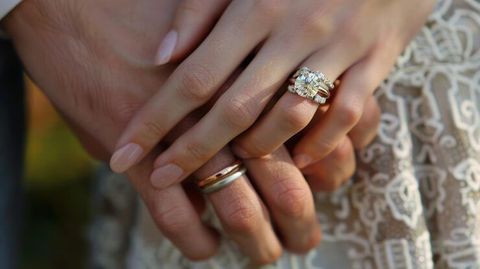
Diamond rings come in many shapes, settings, metals, and design styles. Understanding the differences between classic, modern, vintage-inspired, and minimalist diamond ring styles can make it easier to recognize what makes each design distinctive.
This guide explains popular diamond ring designs in simple terms. It covers their background, importance, recent developments, relevant rules, useful resources, and common questions about choosing and understanding diamond ring styles.
Context
A diamond ring is a piece of jewelry featuring one or more diamonds set into a ring structure. Diamond rings have been associated with personal milestones, celebrations, cultural traditions, and everyday jewelry for many generations. Their designs have changed over time as craftsmanship, diamond cutting techniques, metalworking, and fashion have developed.
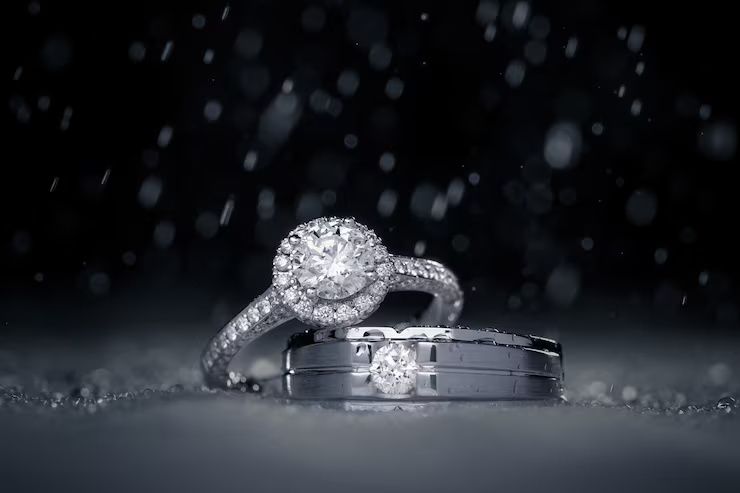
The most recognizable diamond ring styles are often identified by their setting and overall arrangement. An engagement-style design, for example, may feature one central diamond, while other designs can include several stones arranged across the band.
Common diamond ring styles include:
- Solitaire rings with one principal diamond
- Halo rings with smaller diamonds surrounding a central stone
- Three-stone rings featuring three prominent diamonds
- Pavé designs with closely set small diamonds
- Bezel settings that surround the diamond with metal
- Vintage-inspired designs featuring detailed decorative elements
- Modern designs using clean lines and geometric forms
The diamond's shape is another important part of a ring's appearance. Round, oval, princess, emerald, pear, marquise, cushion, and radiant shapes each have different visual characteristics.
| Ring Style | Main Feature | General Appearance |
|---|---|---|
| Solitaire | One central diamond | Simple and classic |
| Halo | Smaller diamonds around a center stone | Detailed and prominent |
| Three-Stone | Three main diamonds | Balanced and symbolic |
| Pavé | Small diamonds across the band | Continuous sparkle |
| Bezel | Metal surrounds the diamond | Clean and structured |
| Vintage-Inspired | Decorative details | Traditional and intricate |
A ring's appearance is also influenced by the metal. Common choices include gold, platinum, and other precious-metal alloys. Metal color, surface finish, band width, and setting height can all change how the diamond looks when worn.
Importance
Understanding diamond ring styles matters because design affects appearance, durability, maintenance requirements, and personal preferences. Two rings containing diamonds of similar shape can look very different because of their settings and proportions.
The setting plays an especially important role. A raised setting can make a central diamond more visually prominent, while a lower-profile design may have a more streamlined appearance. A bezel setting surrounds the stone with metal, whereas a prong setting holds the diamond with small metal supports.
Diamond ring styles can also reflect different aesthetic preferences. Someone who prefers understated jewelry may appreciate a solitaire or minimalist design, while someone interested in detailed patterns may prefer halo or vintage-inspired designs.
Several factors are useful when comparing styles:
- Diamond shape and visual proportions
- Number and arrangement of diamonds
- Setting structure
- Metal type and color
- Band width and profile
- Ease of everyday maintenance
- Personal style and cultural preferences
These considerations can affect different groups of people in different ways. Couples may focus on symbolism and appearance, jewelry enthusiasts may study craftsmanship, and collectors may pay closer attention to historical design characteristics.
Recent Updates
Diamond ring design continues to evolve as consumer preferences, technology, and jewelry-making techniques change. One noticeable development is the growing interest in personalization. Designs may combine different diamond shapes, metal colors, band profiles, and setting arrangements.
Contemporary styles often use cleaner shapes and lower-profile settings. Some designs combine traditional features with modern proportions, creating rings that have a familiar appearance while using updated construction methods.
Laboratory-grown diamonds have also become an important part of the modern diamond market. These diamonds have essentially the same chemical composition and crystal structure as natural diamonds, although their origin is different. Clear disclosure of a diamond's laboratory-grown or natural origin is important when describing jewelry.
Digital technologies have influenced how jewelry designs are developed. Computer-aided design can help designers create precise models before physical production. Three-dimensional modeling and computer-controlled manufacturing can also support detailed and customized ring structures.
Diamond grading information remains important when comparing stones. The commonly discussed characteristics include:
- Carat weight
- Color
- Clarity
- Cut
These characteristics are often referred to as the "4Cs." They describe different aspects of a diamond rather than a single measure of overall appearance.
Laws or Policies
Jewelry descriptions and diamond disclosures are subject to consumer-protection rules in various countries. In the United States, the Federal Trade Commission's Jewelry Guides provide guidance concerning how jewelry products and materials should be described to consumers.
One important principle is that claims about precious metals, gemstones, treatments, and laboratory-grown diamonds should not be misleading. Material information should be presented clearly enough for consumers to understand what they are considering.
Diamond treatments can also be relevant. Some diamonds may undergo processes intended to change their appearance or characteristics. When a treatment materially affects a gemstone, disclosure requirements may apply depending on the jurisdiction and circumstances.
Hallmarking rules are another consideration in some countries. A hallmark can provide information about the precious-metal content of an item and may involve an authorized assay or marking system. Requirements differ by country, so jewelry documentation should be interpreted according to the applicable local rules.
For international audiences, the main areas to understand include:
- Precious-metal purity markings
- Gemstone treatment disclosures
- Natural versus laboratory-grown diamond disclosures
- Accurate descriptions of materials
- Consumer-protection requirements
- Country-specific hallmarking regulations
Rules can change, and requirements differ between jurisdictions. Official government and regulatory sources should therefore be consulted when specific legal guidance is needed.
Tools and Resources
Several resources can help people learn more about diamond ring styles and diamond characteristics. Educational information from established gemological and government organizations can provide useful background without relying on promotional descriptions.
Useful resources include:
- Gemological Institute of America educational material for diamond terminology and grading concepts
- Federal Trade Commission guidance for jewelry-related consumer information in the United States
- National hallmarking or assay authorities for precious-metal marking information
- Diamond measurement and proportion references for understanding stone shapes
- Ring-size charts for learning how different sizing systems compare
- Jewelry-care guides for understanding cleaning and handling practices
When using an online diamond or ring calculator, it is important to understand what the calculation actually measures. For example, a ring-size calculator estimates dimensions, while a diamond proportion tool may help explain measurements associated with a particular stone shape.
Educational resources can also help distinguish between a diamond's physical characteristics and subjective design preferences. A particular setting may be fashionable, but fashion does not determine whether one style is objectively better than another.
FAQs
What are the most common diamond ring styles?
Solitaire, halo, three-stone, pavé, bezel, and vintage-inspired designs are among the commonly recognized styles. Each has a different arrangement of diamonds and setting structure.
What is a solitaire diamond ring?
A solitaire ring generally features one principal diamond as the central visual element. The design is known for its straightforward structure and emphasis on the center stone.
How is a halo ring different from a solitaire?
A halo ring places smaller diamonds around a central diamond, creating a surrounding pattern. A solitaire normally focuses attention on a single central diamond without a surrounding diamond halo.
What diamond shapes are commonly used in rings?
Round, oval, princess, emerald, pear, marquise, cushion, and radiant shapes are widely recognized. Each shape has different proportions and visual characteristics.
Are laboratory-grown diamonds different from natural diamonds?
Their origins are different. Natural diamonds form through geological processes, while laboratory-grown diamonds are produced using technological processes. Both are crystalline carbon with substantially the same chemical composition and crystal structure.
Conclusion
Diamond ring styles range from simple solitaire designs to detailed halo, pavé, three-stone, bezel, and vintage-inspired arrangements. Understanding settings, diamond shapes, metals, proportions, and construction provides a clearer way to compare these designs.
Recent developments, including laboratory-grown diamonds and digital jewelry-design technologies, have expanded the range of available designs and information. Accurate terminology and appropriate disclosures also remain important when discussing diamonds and precious-metal jewelry.
A useful starting point is to identify the visual characteristics that matter most, such as diamond shape, setting type, band design, and metal appearance.
Learning the basic terminology makes it easier to understand jewelry descriptions and communicate preferences clearly.

Related Post...
Explore Diamond Ring Styles: A Friendly Guide to Popular Designs
Updated: September 03, 2026
Read More