Explore Industrial Equipment Manufacturing: Tips, Processes, Equipment and Key Details
Industrial equipment manufacturing is the process of designing, producing, assembling, testing, and maintaining machinery and equipment used across industrial sectors.
It includes equipment for manufacturing plants, construction, energy, food processing, chemicals, logistics, agriculture, and other applications.
Modern industrial equipment manufacturing combines engineering, materials science, automation, digital controls, and quality management. Understanding the main processes, equipment types, regulations, and emerging technologies can help readers understand how industrial machinery is developed and used.
Context
Industrial equipment manufacturing has evolved from largely manual fabrication toward highly controlled and digitally connected production. Manufacturers typically transform engineering concepts into physical equipment through several stages, including design, material selection, machining, fabrication, assembly, inspection, and testing.
The process usually begins with functional requirements. Engineers determine factors such as operating conditions, load capacity, dimensions, materials, environmental exposure, energy requirements, and expected operating cycles.
Computer-aided design (CAD) and engineering software are commonly used to develop equipment models and technical drawings. Computer-aided manufacturing (CAM) can then translate design information into instructions for production machinery.
Common industrial equipment manufacturing processes include:
- CNC machining for accurate component production
- Cutting, forming, and sheet-metal fabrication
- Welding and joining
- Casting and forging
- Heat treatment
- Surface finishing
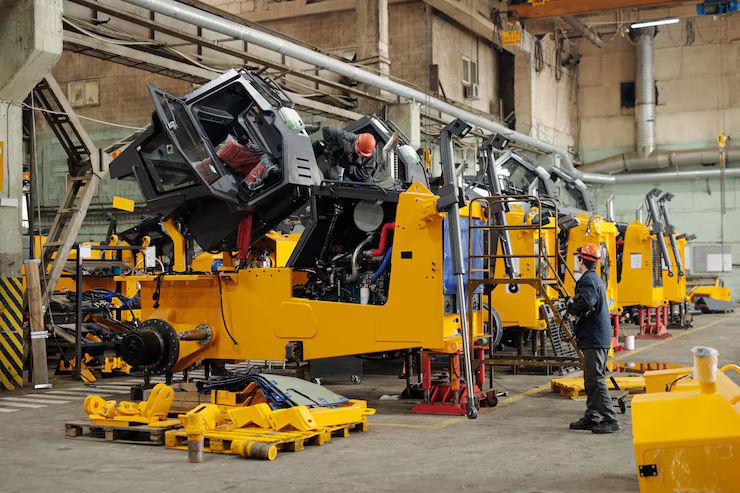
- Mechanical and electrical assembly
- Inspection and functional testing
Different industries require different equipment characteristics. A chemical processing system may need corrosion-resistant materials, while construction machinery may require high structural strength and resistance to demanding operating conditions.
| Manufacturing Stage | Main Purpose | Typical Technologies |
|---|---|---|
| Design | Define equipment structure and function | CAD, simulation |
| Material preparation | Prepare components | Cutting, forming, casting |
| Component production | Create accurate parts | CNC machining, fabrication |
| Assembly | Combine mechanical and electrical parts | Assembly tools, robotics |
| Inspection | Verify specifications | CMM, gauges, sensors |
| Testing | Check operational performance | Test benches, monitoring systems |
Importance
Industrial equipment plays an important role in productivity, safety, product consistency, and resource management. Equipment manufacturers must consider how machinery will perform under actual operating conditions rather than focusing only on physical construction.
Reliable equipment can help industrial facilities maintain consistent production processes and reduce unexpected interruptions. Proper engineering is also important for protecting operators from mechanical, electrical, thermal, hydraulic, or pneumatic hazards.
Industrial equipment manufacturing affects many groups, including:
- Plant operators and maintenance teams
- Mechanical and electrical engineers
- Production managers
- Quality-control personnel
- Construction and infrastructure organizations
- Energy and utility operators
- Equipment inspectors and regulators
Equipment selection also depends on the intended application. Important considerations can include capacity, operating temperature, pressure, material compatibility, power requirements, automation level, maintenance access, and environmental conditions.
Quality management is another important area. Manufacturers may use inspection plans, material certificates, dimensional checks, non-destructive testing, and functional tests to verify that components and assemblies meet defined specifications.
Recent Updates
Industrial equipment manufacturing is increasingly influenced by automation, connected systems, advanced analytics, and energy-efficiency requirements. These developments are changing how equipment is designed, manufactured, monitored, and maintained.
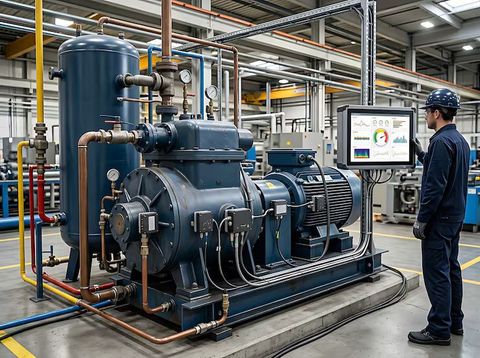
One major development is the increased use of industrial Internet of Things (IIoT) technology. Sensors can collect information such as temperature, vibration, pressure, speed, and energy consumption. This information can support equipment monitoring and condition-based maintenance.
Artificial intelligence and machine learning are also being explored for predictive maintenance, quality inspection, production planning, and process optimization. These technologies can analyze large amounts of operational data and identify patterns that may be difficult to detect manually.
Digital twins are another growing area. A digital twin is a digital representation of a physical asset or process. Engineers can use simulations and operational data to study equipment behavior and evaluate possible changes.
Other important developments include:
- Greater use of collaborative and industrial robots
- Additive manufacturing for selected components
- Automated visual inspection
- Computer-based production monitoring
- Energy-efficient motors and drive systems
- Improved industrial cybersecurity
- Data-based predictive maintenance
- More efficient material utilization
Sustainability is also becoming increasingly relevant. Equipment designers may consider energy consumption, material efficiency, equipment lifespan, recyclability, emissions, and environmental operating conditions during the engineering process.
Laws or Policies
Industrial equipment manufacturing is affected by different laws, technical standards, safety requirements, environmental rules, and certification frameworks depending on the equipment and location.
In the United States, the Occupational Safety and Health Administration (OSHA) establishes workplace safety requirements that can affect machinery use and industrial operations. The Environmental Protection Agency (EPA) may also regulate environmental aspects associated with particular industrial activities.
In the European Union, machinery placed on the market is subject to applicable European requirements. The Machinery Regulation is replacing the previous Machinery Directive through a transition period, with Regulation (EU) 2023/1230 applying from January 20, 2027.
India has its own regulatory framework involving workplace safety, environmental protection, electrical requirements, pressure equipment, and industrial standards. The Bureau of Indian Standards (BIS) develops and publishes standards covering numerous products, processes, and engineering areas.
Applicable requirements depend on factors such as:
- Equipment type and intended use
- Country or jurisdiction
- Electrical characteristics
- Pressure or temperature conditions
- Workplace environment
- Environmental impact
- Operator exposure
- Applicable technical standards
Manufacturers and industrial organizations should verify current requirements with the relevant government authorities and recognized standards organizations before designing, producing, installing, or operating regulated equipment.
Tools and Resources
Several technical resources can help people understand industrial equipment manufacturing and engineering practices.
The International Organization for Standardization (ISO) publishes international standards covering quality management, environmental management, risk-related practices, and numerous industrial subjects.
Engineering teams commonly use CAD, CAM, finite element analysis (FEA), computational fluid dynamics (CFD), programmable logic controller (PLC) programming tools, and manufacturing execution systems (MES).
Useful resource categories include:
- CAD and 3D modeling platforms
- Engineering simulation software
- Manufacturing calculators
- Materials databases
- Technical standards databases
- Equipment maintenance templates
- Inspection checklists
- Measurement and calibration resources
- Government regulatory portals
Manufacturing documentation is also important. Technical drawings, bills of materials, operating instructions, inspection records, maintenance schedules, and test reports help maintain consistency throughout an equipment lifecycle.
FAQs
What is industrial equipment manufacturing?
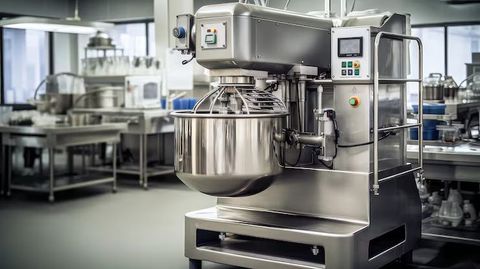
Industrial equipment manufacturing involves designing, producing, assembling, inspecting, and testing machinery used in industrial environments. It can include processing equipment, production machinery, material-handling systems, pumps, compressors, and specialized machines.
What are the main industrial equipment manufacturing processes?
Common processes include engineering design, material preparation, machining, fabrication, welding, casting, forming, heat treatment, assembly, inspection, and functional testing. The exact sequence depends on the equipment type and design.
What equipment is used in industrial manufacturing?
Industrial manufacturing may use CNC machines, welding equipment, presses, cutting systems, robotic equipment, assembly tools, inspection instruments, test systems, and automated control systems.
Why is automation important in industrial equipment manufacturing?
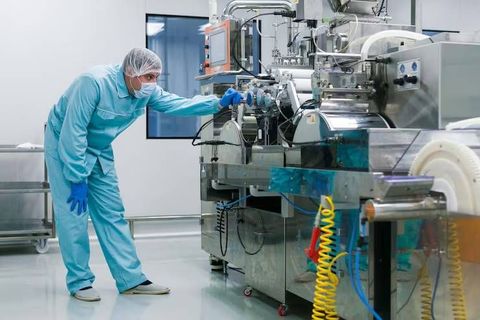
Automation can improve repeatability, production monitoring, precision, and data collection. Robots, sensors, PLCs, and automated inspection systems are increasingly integrated into manufacturing environments.
Which standards apply to industrial equipment?
Applicable standards depend on the equipment, industry, location, and operating conditions. ISO, IEC, national standards organizations, workplace regulators, and sector-specific authorities may all be relevant.
Conclusion
Industrial equipment manufacturing brings together engineering design, materials, machining, fabrication, automation, assembly, inspection, and testing. Its importance extends across many industries because equipment performance can influence productivity, safety, quality, and resource use.
Recent developments such as IIoT sensors, digital twins, robotics, artificial intelligence, and predictive maintenance are creating new approaches to equipment design and operation.
Understanding applicable regulations and technical standards is equally important. Requirements vary by equipment type and jurisdiction, so manufacturers and users should consult current official standards and regulatory information when making engineering decisions.

Related Post...
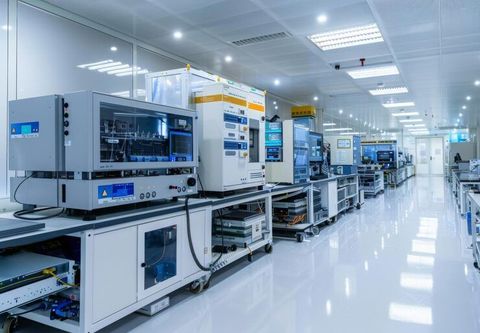
Semiconductor Manufacturing Equipment Explore Guide to Modern Chip Production Technology
Updated: October 21, 2026
Read More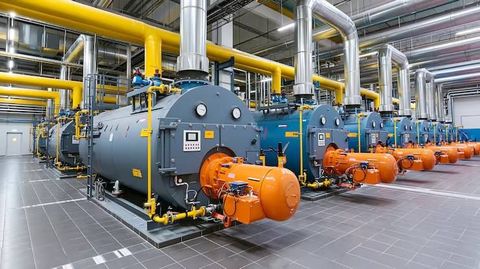
Industrial Boilers Explore Guide for Modern Industrial Heating Technology
Updated: October 19, 2026
Read More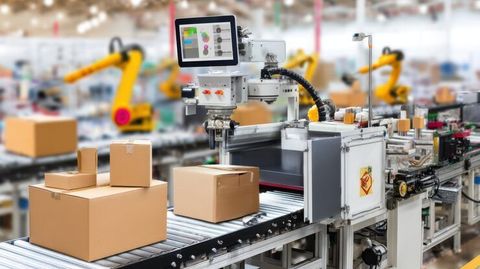
Discover Packaging Machines: Useful Information About Modern Systems and Industry Trends
Updated: October 02, 2026
Read More