Discover Packaging Machines: Useful Information About Modern Systems and Industry Trends
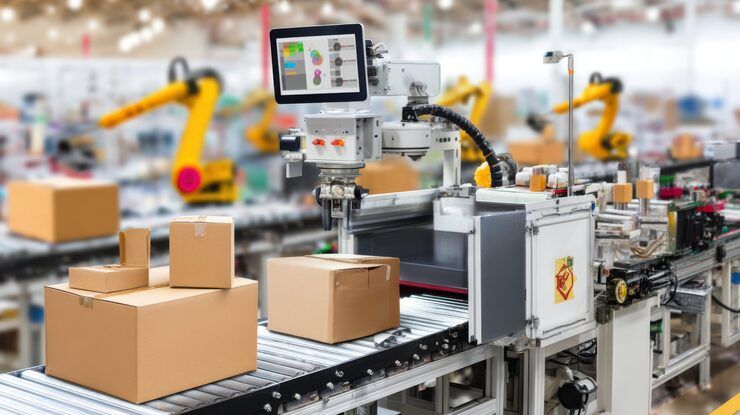
Packaging machines are systems designed to handle different stages of preparing products for distribution, including filling, sealing, wrapping, labeling, and forming packages.
Modern packaging machines can combine mechanical equipment, electronic controls, sensors, and software to improve consistency and manage repetitive production tasks.
The packaging industry covers many product categories, from food and beverages to pharmaceuticals, cosmetics, chemicals, and household goods. Understanding packaging machines, their operating principles, recent developments, and applicable regulations can help businesses, students, and general readers better understand modern industrial packaging.
Context
Packaging machines are industrial systems that automate or assist with one or more packaging activities. Depending on the application, a machine may fill containers, close packages, apply labels, wrap products, create pouches, or prepare cartons for shipment.
Earlier packaging processes depended heavily on manual handling. As manufacturing volumes increased, mechanical equipment was introduced to perform repetitive tasks with greater consistency. Over time, electronic controls, programmable logic controllers, sensors, and computerized monitoring became common features.
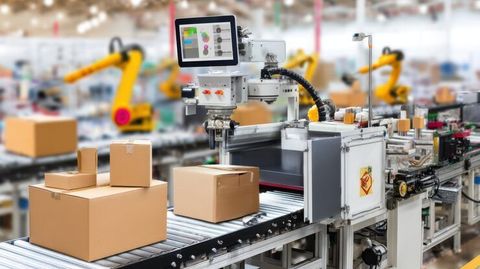
Modern packaging systems can be designed for individual packaging stages or arranged as integrated production lines. A typical packaging line may include several machines working together.
Common categories include:
- Filling machines for liquids, powders, granules, and other materials
- Sealing machines for pouches, bags, trays, and containers
- Wrapping machines for individual products or grouped items
- Cartoning machines for placing products into cartons
- Labeling machines for applying identification information
- Coding systems for dates, batch numbers, and product information
- Palletizing systems for arranging packaged products on pallets
The appropriate system depends on factors such as product characteristics, package material, dimensions, production requirements, hygiene considerations, and regulatory requirements.
Importance
Packaging machines matter because packaging is closely connected with product protection, identification, transportation, storage, and presentation. Consistent packaging can help reduce variation between individual packages and support organized production processes.
These systems affect many industries. Food manufacturers use packaging equipment for products such as snacks, sauces, beverages, frozen foods, and dry ingredients. Pharmaceutical manufacturers use specialized systems where accuracy, cleanliness, traceability, and controlled environments are important.
Other sectors using packaging equipment include cosmetics, chemicals, agriculture, electronics, and consumer goods.
Several factors explain the importance of modern packaging machines:
- Consistent filling and sealing processes
- Controlled handling of packaged products
- Better production monitoring
- Reduced repetitive manual activities
- Improved package identification and traceability
- Compatibility with different packaging materials
- Integration with broader manufacturing systems
Automation can also provide operational data. Sensors and control systems may record information about machine conditions, production quantities, interruptions, and other process variables. This information can help operators identify process changes and investigate production issues.
However, automation does not eliminate the need for trained personnel. Machines require setup, inspection, cleaning where applicable, maintenance, calibration, and safe operation.
Recent Updates
Packaging technology continues to develop as manufacturers respond to changing production requirements, sustainability goals, digitalization, and packaging-material developments.
One important trend is the increased use of sensors and connected controls. Industrial equipment can collect information about operating conditions and communicate selected data to monitoring systems. This supports greater visibility into production processes.
Another development is the use of machine vision. Cameras and image-processing systems can inspect packages for issues such as incorrect labels, missing components, damaged packaging, or variations in appearance. The exact inspection capability depends on the equipment and application.
Flexible packaging systems are also receiving attention. Modern equipment can sometimes accommodate different package sizes or formats through adjustable components and programmable controls. This can be useful for production environments that handle multiple product formats.
Sustainability is another major area of development. Packaging manufacturers and equipment designers are exploring ways to work with recyclable, lightweight, reusable, or reduced-material packaging formats. Equipment may need specific adjustments when packaging materials change because differences in thickness, flexibility, sealing behavior, or surface properties can affect machine performance.
Digital technologies are also becoming more common. Depending on the system, these may include:
- Touchscreen operator interfaces
- Programmable control systems
- Production monitoring
- Remote diagnostic capabilities
- Digital maintenance records
- Automated quality inspection
- Data collection and reporting
Artificial intelligence and advanced analytics are emerging in selected industrial applications, particularly for inspection, anomaly detection, and production analysis. Their practical use varies according to the packaging process and available data.
Laws or Policies
Packaging machines operate within several areas of regulation. The exact requirements depend on the country, industry, product category, machine design, and workplace environment.
Machine safety is an important regulatory area. Manufacturers and operators generally need to consider guarding, emergency stopping systems, electrical safety, moving components, access points, and other hazards associated with machinery.
In the European Union, machinery requirements are established through applicable EU legislation and harmonized standards. The Machinery Regulation (EU) 2023/1230 is scheduled to replace the Machinery Directive framework, with its main provisions applying from January 2027.
In the United States, workplace machinery safety falls under regulations administered by the Occupational Safety and Health Administration (OSHA). Requirements can cover machine guarding, electrical safety, hazardous energy control, and workplace practices.
Packaging that comes into contact with food or medicines may have additional requirements. Food-contact materials can be subject to specific rules concerning material composition and contamination. Pharmaceutical packaging can involve requirements related to product protection, identification, traceability, and quality systems.
Environmental policies are also becoming increasingly relevant. Governments and regulatory bodies in different regions are introducing measures related to packaging waste, recyclability, material efficiency, and producer responsibilities.
Because requirements vary by location and industry, organizations should consult the applicable government authority, regulatory framework, and recognized technical standards before implementing a packaging system.
Tools and Resources
Several resources can help people understand packaging machines and related industrial requirements. Government regulatory websites are useful for checking current rules rather than relying on outdated summaries.
Useful resources include:
- Government machinery-safety authorities
- Food and pharmaceutical regulatory agencies
- International standards organizations
- Packaging industry associations
- Manufacturer technical manuals
- Equipment operating instructions
- Packaging-material specifications
- Workplace safety documentation
- Production planning templates
- Maintenance checklists
A basic equipment evaluation can compare characteristics such as package type, material compatibility, operating speed, accuracy, machine dimensions, control features, safety provisions, and maintenance requirements.
| Evaluation Area | Questions to Consider |
|---|---|
| Product | What physical characteristics must the machine handle? |
| Package | What shape, size, and material are involved? |
| Process | Which packaging stages need automation? |
| Controls | What sensors and control functions are required? |
| Safety | What guarding and emergency features are necessary? |
| Quality | What inspection or verification methods are needed? |
| Maintenance | What routine inspection and maintenance are expected? |
| Regulations | Which national and industry rules apply? |
Technical documentation is particularly important when evaluating equipment. Specifications, manuals, electrical information, operating limits, and maintenance instructions can help users understand how a system is intended to operate.
FAQs
What are packaging machines?
Packaging machines are industrial systems that perform or assist with tasks such as filling, sealing, wrapping, labeling, coding, cartoning, and palletizing.
Which industries use packaging machines?
They are widely used in food and beverages, pharmaceuticals, cosmetics, chemicals, agriculture, electronics, household products, and other manufacturing sectors.
How do modern packaging machines use automation?
Modern systems may use programmable controls, sensors, machine vision, digital interfaces, and monitoring technologies to control processes and collect operational information.
Why are packaging regulations important?
Regulations help address areas such as machine safety, product protection, food-contact materials, workplace practices, labeling, and environmental responsibilities.
What should be considered when studying packaging equipment?
Important factors include the product, package material, package dimensions, production process, safety requirements, quality controls, maintenance needs, and applicable regulations.
Conclusion
Packaging machines are an important part of modern manufacturing because they can automate repetitive packaging activities and support consistent handling, identification, inspection, and preparation of products. Their applications range from simple individual machines to highly integrated production lines.
Recent developments include connected controls, machine vision, flexible equipment, digital monitoring, and technologies designed to work with changing packaging materials. At the same time, safety, environmental requirements, and industry-specific regulations remain important considerations.
Understanding packaging equipment requires more than looking at machine speed or automation features. Product characteristics, packaging materials, process requirements, workplace safety, quality controls, maintenance procedures, and applicable regulations all influence how a system should be designed and operated.
As packaging technology continues to develop, digitalization and material innovation are likely to remain important areas of attention. A clear understanding of these technologies can help readers evaluate industrial packaging processes from a practical and informed perspective.

Related Post...
Machining Center Insights into Advanced Manufacturing Technology and Industrial Automation
Updated: October 23, 2026
Read More
Textile Machinery Discover Guide: Learn About Spinning, Weaving, Knitting, and Finishing Equipment
Updated: September 22, 2026
Read More
Confectionery Equipment Guide: Explore Types, Uses, Processes, and Modern Technology
Updated: September 22, 2026
Read More