Exploring Diesel Mechanic Opportunities in the US
Diesel mechanic opportunities in the US offer a practical path into a skilled trade. Diesel engines power much of the freight, transit, and construction work that keeps the country moving.
Mechanics who can inspect, diagnose, and repair these systems are needed in shops, fleets, and service centers across the country.
For general readers, this article explains what the work involves, what training is common, what pay data shows, and what factors may shape the field in the coming years.
What Diesel Mechanics Do
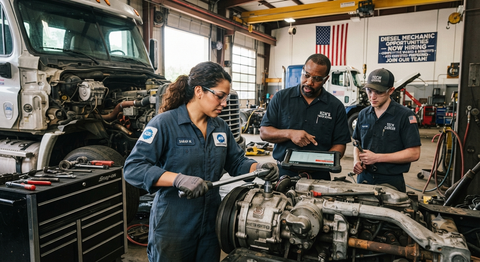
Diesel mechanics, sometimes called diesel service technicians, work on vehicles and equipment that use diesel engines. This includes trucks, buses, trailers, and heavy machinery used in construction and agriculture. The job is hands-on and often involves both routine maintenance and complex repairs.
Common Tasks and Work Settings
Typical duties include performing preventive maintenance, inspecting brakes and tires, troubleshooting electrical systems, and using diagnostic software to identify engine problems. Mechanics may also repair transmissions, hydraulics, and emission control systems.
Work settings vary. Some mechanics work in fleet maintenance shops, where vehicles return on a regular schedule. Others work in dealerships, independent repair shops, or for government agencies. The job can involve standing for long periods, lifting heavy parts, and working with tools and diagnostic equipment.
Training and Entry Paths
There is no single required path to become a diesel mechanic. Many workers enter through a combination of postsecondary training and on-the-job learning. Some employers offer apprenticeship programs that pay workers while they learn. For example, one company apprenticeship program includes nine weeks of paid training in Dallas followed by about twenty-two months of on-the-job training. Community colleges and technical schools also offer diesel technology programs that can take under a year to complete.
Industry certification is another common step. The National Institute for Automotive Service Excellence offers credentials in areas such as diesel engines, brakes, and electrical systems. Certification typically requires passing exams and having relevant work experience.
Pay and Job Outlook
Pay for diesel mechanics varies by experience, location, and industry. The Bureau of Labor Statistics reports a median annual wage of $61,770 for diesel service technicians and mechanics as of May 2025. The lowest 10 percent earned less than $44,530, while the highest 10 percent earned more than $88,740.
Pay Data at a Glance
| Measure | Figure |
|---|---|
| Median annual wage (May 2025) | $61,770 |
| Lowest 10 percent | Below $44,530 |
| Highest 10 percent | Above $88,740 |
| Median wage in local government | $71,460 |
Source: U.S. Bureau of Labor Statistics
Private salary data sources show somewhat different figures. Indeed reported an average base hourly rate of about $30.63 for diesel mechanics, based on job postings from the past three years. These figures are not official statistics and should be treated as general reference points rather than guarantees.
Employment Projections
The Bureau of Labor Statistics projects employment of diesel service technicians and mechanics to grow about 4 percent from 2025 to 2035, roughly as fast as the average for all occupations. About 24,400 openings are projected each year on average over the decade, with many openings expected to come from replacing workers who retire or leave the field.
Some factors could affect demand. Freight shipped by truck is expected to continue supporting the need for diesel technicians, and aging vehicles may require more maintenance. At the same time, some delivery fleets are turning to electric vehicles, which could reduce demand for diesel repair work in certain segments.
Factors That Shape Opportunities
Diesel mechanic opportunities are not evenly distributed. Several factors influence where jobs are available and what they pay.
Industry and Location
Mechanics working for local government earned a median annual wage of $71,460 in May 2025, higher than the overall median for the occupation. Wholesale trade and truck transportation also employ significant numbers of diesel technicians. Geographic demand tends to follow freight corridors, population centers, and regions with active construction or public transit systems.
Skills Beyond the Engine
Modern diesel engines rely on electronic controls and diagnostic software. Mechanics increasingly need comfort with computers and diagnostic tools, not just mechanical ability. Employers often look for workers who can read technical information, communicate clearly about repairs, and follow safety procedures. Problem-solving and attention to detail matter as much as tool skills.
Certification and Advancement
Certification can help workers signal competence to employers and may support advancement. Experienced mechanics may move into supervisory roles, specialized diagnostic work, or fleet management. Some workers use diesel mechanic experience as a foundation for related careers in equipment service or technical training.
FAQs
How long does it take to become a diesel mechanic?
Training time varies. Some technical programs can be completed in under a year, while apprenticeship programs may last about two years. Prior mechanical experience or coursework can shorten the entry period for some workers.
Do diesel mechanics need formal education?
Not always, but formal training is common. Many employers prefer candidates who have completed a technical program or apprenticeship. Certification is optional but can improve job prospects.
Is the demand for diesel mechanics growing?
Employment is projected to grow about 4 percent from 2025 to 2035, with thousands of openings each year from replacement needs. Demand may vary by region and industry, and the shift toward electric vehicles in some fleets is a factor to watch.
What do diesel mechanics earn?
The median annual wage was $61,770 in May 2025. Pay ranges from below $44,530 to above $88,740 depending on experience, location, and industry.
Conclusion
Diesel mechanic opportunities in the US remain a steady area of skilled trade employment. The work is practical and hands-on, with multiple entry paths and room for specialization. While pay and demand vary by location and industry, the occupation is projected to provide many openings in the coming decade. For people interested in mechanical systems and problem-solving, it represents a realistic career option worth researching further.

Related Post...

Hotel Management Introduction: Learn How Hotels Operate and Serve Guests
Updated: September 03, 2026
Read More
Chemical Dosing System Information: Working Process and Key Details
Updated: November 23, 2026
Read More