A Comprehensive Guide to Modern Industrial Manufacturing Companies
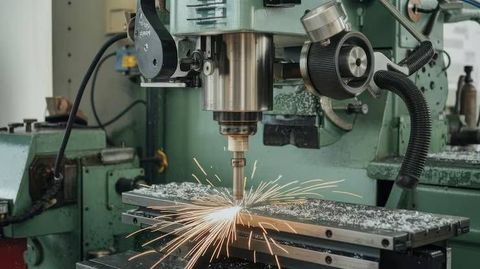
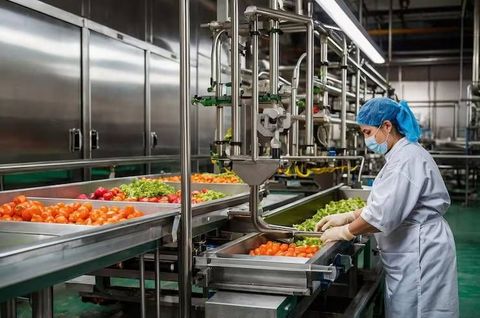
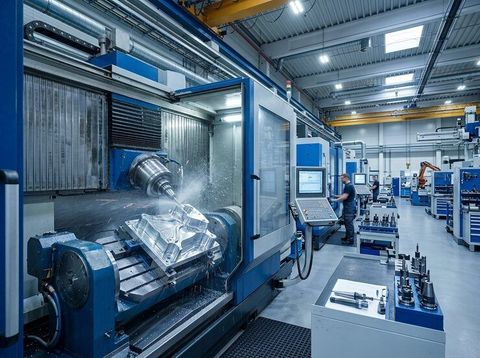
A comprehensive guide to modern industrial manufacturing companies examines how large-scale facilities transform raw materials into finished items.
These businesses use physical processing, mechanical operations, and chemical synthesis to generate consumer goods and capital machinery. The purpose of this operational model is to optimize volume output while minimizing physical resource consumption.
Historically, facilities relied on manual assembly systems and localized machinery. Over time, steam power, electrification, and computerization altered factory floors. Today, modern industrial operations combine software networks with physical hardware to maintain continuous production cycles.
Modern industrial manufacturing companies form the foundation of global trade networks. They supply essential goods to diverse sectors including transport, energy, public infrastructure, and consumer electronics.
Importance
Modern manufacturing impacts overall economic stability, local infrastructure development, and structural innovation. Efficient factory operations keep regional supply chains reliable and prevent shortages of consumer items.
This sector affects many different groups across global markets.
Logistics Networks: Transport carriers depend on factory output to move goods globally.
Technology Developers: Software suppliers create enterprise tools to track plant metrics.
Engineering Professionals: Specialized teams design, maintain, and repair production equipment.
Consumer Markets: End-users depend on steady product flow for daily operations.
Economic stability relies heavily on manufacturing stability. Interruptions in plant performance disrupt global supply chains and increase localized product lead times.
| Operational Focus | Primary Function | Primary Benefit |
| Quality Management | Part inspection and testing | Reduces defective output |
| Inventory Control | Material tracking and storage | Prevents supply shortages |
| Process Automation | Robotic assembly integration | Increases total throughput |
| Environmental Compliance | Emissions and waste monitoring | Minimizes regulatory risk |
Recent Updates
Modern production environments use connected equipment to optimize output metrics.
Artificial intelligence now aids predictive maintenance programs across major assembly plants.
Smart logistics integration improves raw material tracking across connected storage sites.
Laws or Policies
Industrial processing facilities must operate within strict regulatory standards. Government bodies establish policies to enforce worker safety, environmental protection, and product safety compliance.
Environmental Directives: Regulations limit greenhouse gas emissions, industrial wastewater disposal, and chemical waste management.
Occupational Safety Standards: Rules mandate mechanical machine safeguards, personal protective equipment, and regular floor hazard assessments.
Quality Assurance Frameworks: International standards govern component traceability and structural manufacturing procedures.
Data Security Rules: Policies direct how connected factory networks handle operational data privacy and prevent system breaches.
Compliance updates require continuous operational reviews. Non-compliance results in severe financial penalties, operational shutdowns, or legal enforcement actions.
Tools and Resources
Industrial operators use dedicated software platforms and regulatory portals to maintain efficient floor workflows and manage compliance data.
Enterprise Resource Planning (ERP): Systems coordinate material purchases, inventory tracking, and financial scheduling.
Manufacturing Execution Systems (MES): Tools monitor real-time floor activity, tracking individual assembly steps.
Safety Agency Portals: Government websites outline workplace safety protocols, inspection checklists, and compliance guides.
Open Source CAD Libraries: Digital repositories provide standardized component blueprints for machinery design testing.
Using integrated operational platforms helps managers trace parts accurately across multi-site manufacturing networks.
FAQs
What defines a modern industrial manufacturing company?
A modern manufacturing company uses automated machinery, software analytics, and systematic workflows to produce physical goods at scale.
How does automation alter traditional factory floors?
Automation reduces manual repetitive labor, speeds up output consistency, and lets workers focus on supervisory and maintenance roles.
Why is predictive maintenance important in processing facilities?
Predictive maintenance uses real-time telemetry to spot machinery wear early, avoiding total system breakdowns and expensive unplanned downtime.
Which safety rules govern industrial machinery operations?
Facilities must follow national occupational safety rules that require protective equipment, emergency shutoffs, and regular machine maintenance logs.
How do data networks improve inventory tracking?
Data networks link storage systems with production lines, giving plant managers immediate visibility into raw material usage and stock counts.
Conclusion
A comprehensive guide to modern industrial manufacturing companies shows how modern plants merge advanced machinery with software data to deliver essential products. Strict adherence to safety regulations and environmental guidelines protects workers while maintaining steady production output. As technology continues to evolve, factory facilities will achieve higher efficiency levels and build more resilient global supply chains.

Related Post...
Refinery Machinery Information: Learn How Modern Refining Equipment Works
Updated: September 24, 2026
Read More
Industrial Boilers Explore Guide for Modern Industrial Heating Technology
Updated: October 19, 2026
Read More
Discover Packaging Machines: Useful Information About Modern Systems and Industry Trends
Updated: October 02, 2026
Read More