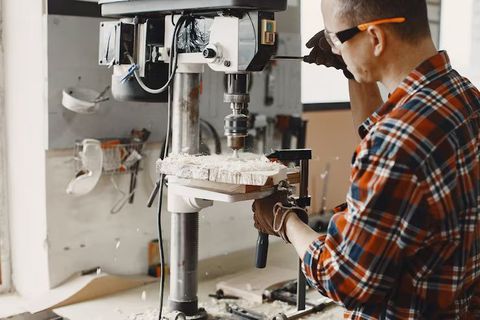
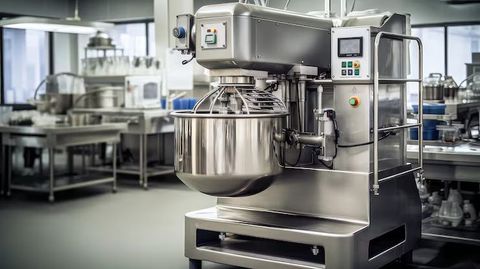
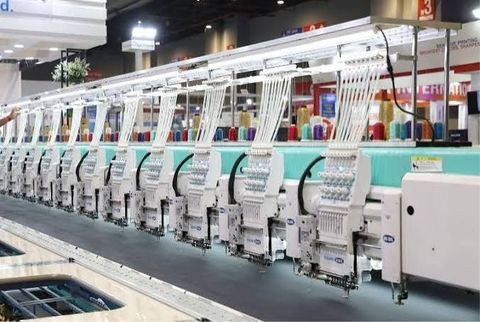
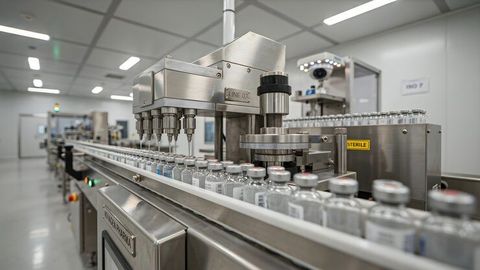
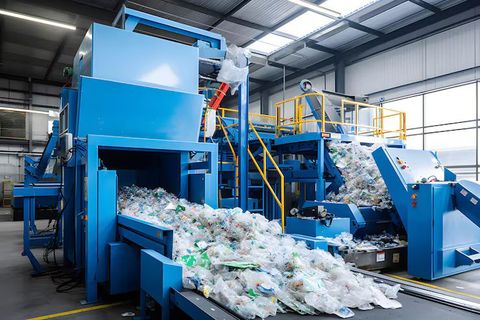
These machines help manufacturers and laboratories verify whether an item meets required standards before it reaches users or moves to the next production stage.
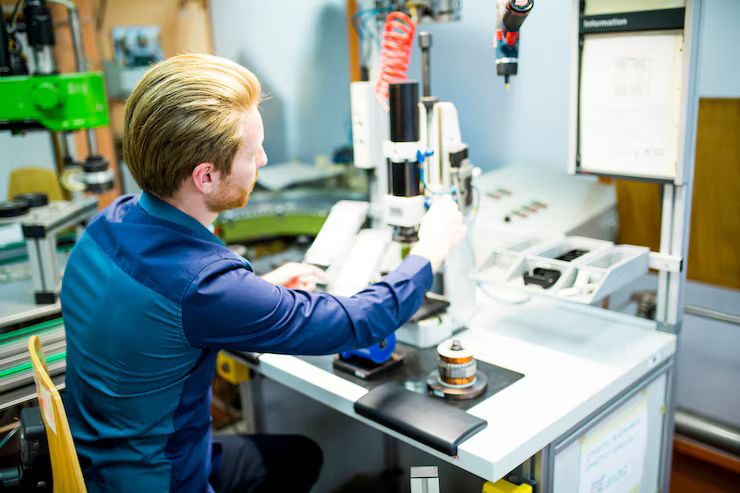
Understanding quality testing processes is useful for students, engineers, business professionals, and anyone interested in manufacturing and product quality. By learning how different quality testing machines work, readers can better understand modern quality control practices and the importance of consistent testing.
Context – What Quality Testing Machines Are
Quality testing machines are specialized equipment designed to measure physical, mechanical, electrical, chemical, or environmental properties of products and materials. Their main purpose is to identify whether an item satisfies defined quality standards and performs as expected under specific conditions.
These machines are widely used in industries such as:
- Manufacturing
- Automotive
- Aerospace
- Construction
- Medical devices
- Electronics
- Food processing
- Packaging
- Textile production
Different industries require different testing methods because products have unique performance requirements.
Common Types of Quality Testing Machines
| Testing Machine | Main Purpose | Typical Industry |
|---|---|---|
| Universal Testing Machine | Measures tensile and compression strength | Manufacturing, construction |
| Hardness Tester | Evaluates material hardness | Metal processing |
| Impact Testing Machine | Measures resistance to sudden force | Automotive |
| Fatigue Testing Machine | Studies repeated stress over time | Aerospace |
| Environmental Test Chamber | Simulates temperature and humidity | Electronics |
| Vibration Testing Machine | Tests resistance to vibration | Transportation |
| Leak Testing Machine | Detects leaks in sealed products | Medical and packaging |
Quality testing processes generally involve preparing a sample, performing standardized testing, recording measurements, and comparing results with accepted specifications.
Importance – Why It Matters and Who It Affects
Quality testing machines play an important role in maintaining product consistency and supporting reliable manufacturing processes.
Without systematic testing, defects may remain undetected until products reach users, potentially affecting safety, performance, and durability.
Groups that benefit from quality testing include:
- Manufacturers seeking consistent production
- Engineers developing new products
- Quality control teams
- Research laboratories
- Regulatory authorities
- Consumers using tested products
Quality testing also supports:
- Improved product reliability
- Better process monitoring
- Reduced manufacturing variation
- Compliance with technical standards
- Continuous product improvement
Modern quality testing processes increasingly rely on digital measurement systems that improve data accuracy and simplify documentation.
Recent Updates – Trends and Developments from 2024–2026
Quality testing technology has continued to evolve between 2024 and 2026. Manufacturers are integrating digital systems, automation, and data analytics to improve testing efficiency while maintaining consistent measurement standards.
Several important developments include:
Smart Testing Systems
Many quality testing machines now include:
- Digital touch-screen controls
- Automatic report generation
- Cloud-based data storage
- Remote monitoring
- Integrated calibration reminders
These features help organizations organize testing records more efficiently.
AI-Assisted Data Analysis
Artificial intelligence is increasingly used to identify patterns within testing results. Rather than replacing laboratory personnel, AI helps detect unusual trends that may require additional investigation.
Other notable developments include:
- Improved sensor accuracy
- Automated sample handling
- Faster data collection
- Digital quality management integration
- Greater compatibility with Industry 4.0 manufacturing environments
Environmental sustainability has also become an important focus. Newer testing equipment often emphasizes energy-efficient operation and reduced material waste during testing procedures.
Laws or Policies – Relevant Rules, Regulations, or Government Policies
Quality testing machines are commonly used to verify compliance with recognized technical standards. The exact requirements vary depending on the country, industry, and product category.
Some widely recognized standards include:
- ISO 9001 for quality management systems
- ISO/IEC 17025 for testing and calibration laboratories
- ASTM testing standards
- IEC standards for electrical equipment
- EN standards used in Europe
Many industries also follow national regulations that require documented testing before products enter the marketplace.
Examples include:
- Medical device regulations
- Automotive safety standards
- Building material specifications
- Electrical safety requirements
- Food packaging regulations
Organizations using quality testing machines should also maintain:
- Equipment calibration records
- Test documentation
- Operator training records
- Standard operating procedures
- Traceable measurement data
Following recognized standards helps improve consistency and supports reliable testing outcomes.
Tools and Resources – Useful Websites, Calculators, Templates, or Platforms
Several educational resources help professionals understand quality testing processes and technical standards.
Useful resources include:
- ISO standards documentation
- ASTM standards library
- IEC technical publications
- National accreditation body guidance
- Manufacturer technical manuals
- Quality management software platforms
Helpful templates may include:
- Test report templates
- Inspection checklists
- Calibration schedules
- Quality audit forms
- Equipment maintenance logs
Some organizations also provide engineering calculators for:
- Stress calculations
- Material strength estimation
- Statistical quality analysis
- Measurement uncertainty
- Sampling calculations
These resources support accurate documentation and consistent quality management practices.
FAQs
What are quality testing machines used for?
Quality testing machines evaluate products and materials to determine whether they meet specified technical and quality requirements through standardized testing procedures.
Which industries commonly use quality testing machines?
Manufacturing, automotive, aerospace, electronics, construction, healthcare, packaging, textiles, and research laboratories frequently use quality testing equipment.
How often should testing machines be calibrated?
Calibration intervals depend on equipment type, manufacturer recommendations, laboratory procedures, industry standards, and regulatory requirements.
Are automated quality testing systems replacing manual testing?
Automation assists many testing processes, but trained professionals continue to interpret results, verify procedures, and ensure testing follows applicable standards.
Why are standardized testing methods important?
Standardized methods improve consistency, allow comparisons between different laboratories, and help ensure reliable, repeatable measurement results.
Conclusion
Quality testing machines are essential tools for evaluating materials and products across numerous industries. They support consistent measurements, standardized testing processes, and reliable quality verification while helping organizations meet technical requirements.
As technology continues to advance, quality testing processes are becoming more digital, automated, and data-driven. Understanding these developments helps readers appreciate how modern testing contributes to product reliability and continuous improvement.
Learning about recognized standards, testing equipment, and quality management practices provides a strong foundation for understanding today's manufacturing and laboratory environments. Keeping up with current developments from 2024–2026 also helps professionals and learners stay informed about evolving testing technologies.