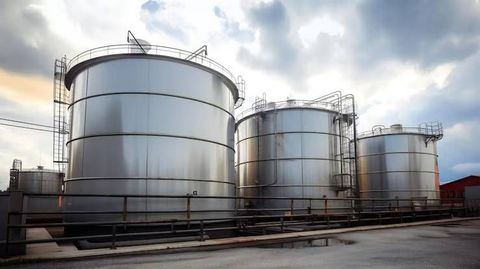
The Comprehensive Guide to Industrial Storage Tank Maintenance
Industrial storage tank maintenance involves regular inspection, cleaning, and repair of large containers used to hold liquids or gases. These facilities are critical components in sectors like petroleum refining, chemical processing, and wastewater treatment.
The primary purpose of this upkeep is to ensure structural integrity and prevent unexpected failures. By addressing wear early, industrial storage tank maintenance protects operational continuity and the surrounding environment.
The historical background of storage tank upkeep dates back to early industrial expansion when liquid containment became essential for manufacturing. Over decades, engineering standards evolved from basic visual checks to sophisticated testing protocols. Today, systematic storage tank inspection combines advanced technology with routine oversight. This evolution reflects a growing understanding of how environmental factors and chemical exposure impact metal and concrete structures.
Understanding core components helps explain why maintenance requires specialized knowledge. Tanks typically feature shell plates, foundations, roofs, and piping connections that endure high pressure and corrosive substances. Routine activities involve checking for corrosion, monitoring structural settling, and testing leak detection systems. Each element plays a specific role in maintaining safe containment operations.
Importance
Proper upkeep matters because containment failures can lead to environmental contamination and severe financial loss. When hazardous materials breach a tank wall, ecosystems suffer damage and communities face health risks. Routine industrial storage tank maintenance stops minor cracks from expanding into major ruptures. This proactive approach safeguards natural resources and maintains public trust.
Facility operators, workers, and regulatory agencies are directly affected by the condition of these containers. Workers rely on sound equipment to perform daily tasks without fear of structural collapse or toxic exposure. Regulatory agencies enforce compliance to protect public safety and environmental health. Meanwhile, plant owners benefit from reduced unplanned downtime and extended asset lifespans through disciplined upkeep schedules.
Neglecting routine storage tank inspection often results in expensive emergency shutdowns and complex remediation projects. Fixing a minor corrosion issue during scheduled downtime is far simpler than managing an environmental cleanup. Therefore, facility management teams prioritize systematic maintenance programs to secure long-term operational stability.
Recent Updates
Recent trends in industrial storage tank maintenance focus heavily on digital transformation and automation. Modern facilities increasingly adopt robotic inspection tools that enter hazardous or confined spaces safely. These remote-controlled devices capture high-resolution imagery and thickness measurements without requiring human entry. Such innovations significantly reduce safety risks during routine storage tank inspection tasks.
Another major development involves integrating predictive analytics and internet of things sensors. Continuous monitoring devices track variables like internal pressure, temperature, and wall thinning in real time. Data analytics platforms then process this information to forecast when a component requires attention. This shift from reactive repairs to predictive maintenance helps facilities optimize schedules and allocate resources efficiently.
Environmental sustainability trends also influence modern maintenance practices. Industry guidelines now emphasize minimizing chemical waste during tank cleaning procedures and recycling wash water whenever possible. These eco-friendly methods align industrial operations with global carbon reduction and waste minimization goals.
Laws or Policies
Industrial storage tank maintenance is governed by strict national and international regulatory frameworks. Agencies establish baseline safety standards that mandate regular containment evaluations, proper employee training, and comprehensive emergency response planning. Compliance with these rules is mandatory for operating industrial facilities legally.
Industry organizations also provide essential guidelines and standards for structural integrity. For example, technical publishing bodies outline detailed codes specifying inspection intervals and repair methods. These standards establish criteria for evaluating metal loss, weld integrity, and foundation settlement. Following these recognized protocols ensures that industrial storage tank maintenance meets universal safety benchmarks.
Failure to adhere to established regulatory policies carries severe legal and financial consequences. Regulatory bodies can impose heavy penalties, issue shutdown orders, or mandate extensive remediation. Consequently, compliance officers maintain rigorous documentation of every maintenance activity, inspection report, and repair action to demonstrate adherence to the law.
Tools and Resources
Managing industrial storage tank maintenance requires access to specialized technical tools and informational platforms. Engineers and facility managers frequently utilize digital asset management software to track inspection schedules and historical data. These platforms centralize documentation, making it easy to review past repairs and plan upcoming evaluations.
Online calculators and engineering software help professionals estimate corrosion rates and remaining wall thickness. These computational tools apply standard formulas to field measurements, ensuring accurate life expectancy projections. Additionally, regulatory websites provide downloadable compliance templates and reporting checklists.
Here are several useful categories of tools utilized in the industry:
Digital asset management platforms for tracking inspection histories
Ultrasonic thickness gauges for measuring metal wall degradation
Regulatory compliance checklists provided by governing authorities
Specialized engineering calculators for assessing structural stress
| Maintenance Task | Primary Focus Area | Recommended Frequency |
| Visual Shell Check | Exterior walls and coatings | Monthly |
| Ultrasonic Testing | Wall thickness and corrosion | Annually |
| Foundation Survey | Concrete pads and settling | Every five years |
| Valve and Seal Check | Piping connections | Quarterly |
Utilizing these structured templates and monitoring tools streamlines the entire management process. They ensure no critical asset component is overlooked during routine facility evaluations.
FAQs
What is industrial storage tank maintenance?
Industrial storage tank maintenance is the ongoing process of inspecting, cleaning, and repairing large containment vessels to ensure structural safety and operational reliability. It prevents leaks and extends the lifespan of critical infrastructure.
How often should a storage tank inspection occur?
Routine visual checks usually happen monthly or quarterly, while comprehensive internal inspections using non-destructive testing often occur every five to ten years depending on regulatory requirements.
Why is corrosion management important for storage tanks?
Corrosion weakens metal walls over time, which can lead to leaks and environmental contamination. Regular monitoring detects thinning material early so repairs can be made safely.
What qualifications do maintenance personnel need?
Technicians typically require specialized training in confined space entry, non-destructive testing methods, and adherence to industry safety standards set by governing bodies.
Conclusion
Consistent industrial storage tank maintenance remains vital for protecting the environment, ensuring worker safety, and maintaining operational efficiency. By embracing modern inspection technologies and adhering to strict regulatory standards, facilities can prevent structural failures. Proper oversight ultimately preserves critical infrastructure for the long term.

Related Post...
A Comprehensive Guide to Modern Industrial Manufacturing Companies
Updated: November 06, 2026
Read More
Medical Device Manufacturing Equipment Explore Guide for Modern Healthcare Technology
Updated: October 20, 2026
Read More