Learn About Industrial Equipment Manufacturers and Their Production Processes
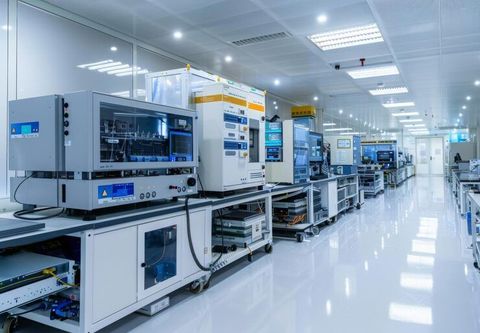
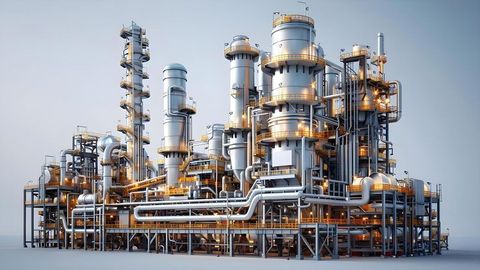
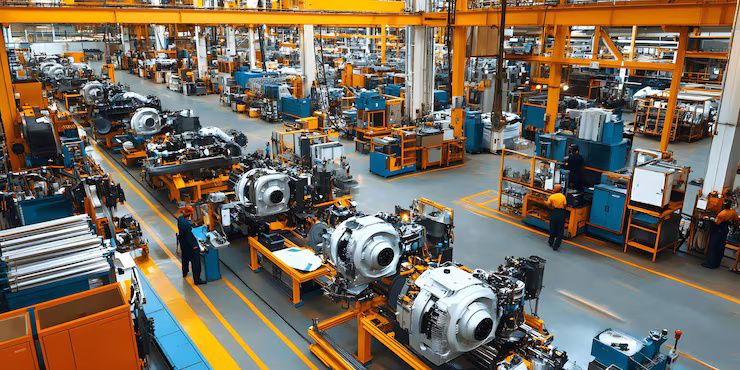
Industrial equipment manufacturers design and produce machines, systems, and components used across sectors such as manufacturing, construction, energy, food processing, automotive production, chemicals, and logistics.
Understanding how these manufacturers work helps readers understand industrial equipment, production methods, quality control, automation, and workplace safety.
The production process usually combines engineering design, material selection, machining, fabrication, assembly, testing, and documentation. Modern industrial equipment manufacturers increasingly use digital design tools, automated production systems, sensors, robotics, and data analysis to improve consistency and operational performance.
Context
Industrial equipment refers to machinery and systems designed to perform specific industrial tasks. Examples include industrial pumps, compressors, conveyors, machine tools, packaging machinery, processing equipment, lifting systems, industrial dryers, and automated production systems.
Industrial equipment manufacturers generally begin with an engineering requirement. The requirement may define machine capacity, dimensions, operating conditions, materials, power requirements, safety features, and environmental conditions.
A typical production process includes several connected stages:
| Production Stage | Main Activity | Typical Output |
|---|---|---|
| Requirement Planning | Define technical and operational needs | Product specifications |
| Engineering Design | Develop drawings and digital models | CAD models and technical drawings |
| Material Selection | Choose suitable metals, plastics, electronics, and components | Approved materials |
| Machining and Fabrication | Cut, form, weld, drill, or machine parts | Manufactured components |
| Assembly | Combine mechanical and electrical components | Complete equipment |
| Testing | Check operation, safety, accuracy, and performance | Test records |
| Documentation | Prepare manuals, drawings, and compliance records | Technical documentation |
Computer-aided design is widely used during engineering because it allows designers to develop three-dimensional models and examine dimensions before physical production begins. Computer-aided manufacturing can then connect design information with machining and production equipment.
Materials may include carbon steel, stainless steel, aluminum, engineering plastics, rubber, electrical components, sensors, motors, drives, and control systems. The selection depends on factors such as strength, temperature, corrosion resistance, operating environment, and expected mechanical loads.
Importance
Industrial equipment manufacturers have an important role in the wider manufacturing ecosystem because their equipment can influence production capacity, product consistency, worker safety, energy consumption, and operational reliability.
The equipment manufacturing process affects several groups:
- Machine operators who interact directly with equipment
- Engineers responsible for design and integration
- Maintenance and technical teams
- Factory managers and production planners
- Quality-control personnel
- Regulatory and safety authorities
- Industries that depend on specialized machinery
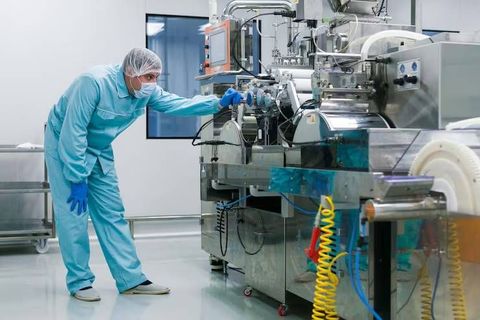
Quality control is particularly important because equipment may contain many interconnected mechanical, electrical, hydraulic, pneumatic, and software components. A problem in one component can affect the performance of the wider machine.
Manufacturers may use dimensional inspection, material testing, electrical testing, pressure testing, vibration analysis, functional testing, and visual inspection. The exact testing approach depends on the type of industrial equipment and its intended application.
Documentation is another important part of production. Technical drawings, specifications, operating instructions, maintenance information, test records, and conformity documents can help establish how equipment should be installed, operated, inspected, and maintained.
Recent Updates
Industrial equipment production has been changing through greater use of automation, digital engineering, connected sensors, robotics, and data-driven manufacturing.
One important development is the growth of smart manufacturing. Sensors can collect information about temperature, vibration, pressure, speed, energy consumption, and other operating conditions. This information can help production teams identify unusual machine behavior and investigate potential problems.
Artificial intelligence and machine-learning techniques are also being explored for industrial applications. Possible uses include production analysis, visual inspection, anomaly detection, process optimization, and predictive maintenance. Their suitability depends on data quality, system design, cybersecurity, and the consequences of incorrect decisions.
Digital twins are another developing area. A digital twin can represent aspects of a physical machine or production process in software. Engineers can use digital models to study operating conditions, simulate changes, and analyze equipment behavior.
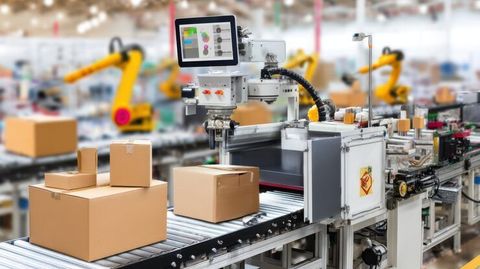
Robotics and automated handling systems are also becoming more common. Industrial robots can perform repetitive operations such as material handling, welding, assembly, painting, and machine tending. Collaborative robots are designed for applications where humans and robotic systems may work in closer proximity, although appropriate risk assessment remains necessary.
Cybersecurity has become increasingly relevant because modern industrial equipment may communicate with factory networks, cloud platforms, programmable logic controllers, and industrial control systems. NIST's manufacturing cybersecurity guidance describes a risk-based approach for managing cybersecurity activities in manufacturing environments.
Quality management is also evolving. ISO 9001:2026 defines requirements for establishing, maintaining, and continually improving a quality management system. ISO states that the standard applies across organizations of different sizes and sectors.
Laws or Policies
Industrial equipment manufacturers must consider the laws and technical requirements applicable to the countries where equipment is designed, manufactured, supplied, installed, or operated. Requirements can vary significantly according to equipment type and jurisdiction.
In the United States, OSHA regulations include requirements for machinery and machine guarding. OSHA's 29 CFR 1910.212 requires appropriate machine guarding to protect operators and other employees from hazards such as rotating parts, ingoing nip points, flying chips, and sparks.
OSHA also maintains a broader Machinery and Machine Guarding section covering areas such as general machinery requirements, abrasive wheels, mechanical power presses, forging machines, and mechanical power-transmission equipment.
For manufacturers supplying machinery into the European Union, Regulation (EU) 2023/1230 is particularly important. The regulation establishes health and safety requirements for machinery, related products, and partly completed machinery. Its main application date is 20 January 2027, replacing the previous Machinery Directive framework.
The European regulation also addresses newer technical considerations, including certain machinery incorporating safety-related systems using machine-learning approaches. This reflects the increasing connection between machinery safety and digital technologies.
Manufacturers therefore need to identify the applicable requirements before designing and producing equipment. Depending on the equipment and market, considerations can include machine safety, electrical safety, electromagnetic compatibility, pressure systems, environmental requirements, documentation, conformity assessment, and applicable technical standards.
Regulations are jurisdiction-specific, so organizations should consult the relevant government authority and current legal text before making compliance decisions.
Tools and Resources
Several resources can help readers understand industrial equipment manufacturers and their production processes.
Useful resources include:
- OSHA machinery and machine-guarding regulations for U.S. workplace safety information.
- EUR-Lex for European Union legislation and consolidated legal texts.
- ISO publications for quality-management and other international standards information.
- NIST manufacturing cybersecurity guidance for understanding industrial cybersecurity practices.
- CAD software for technical drawings and three-dimensional equipment models
- Manufacturing planning templates for documenting production stages
- Preventive-maintenance checklists for organizing inspection activities
- Measurement and calibration records for tracking equipment accuracy
When researching an industrial machine, useful technical information usually includes its operating principle, capacity range, materials, power requirements, control system, safety features, maintenance requirements, testing procedures, and applicable standards.
FAQs
What do industrial equipment manufacturers produce?
Industrial equipment manufacturers produce machinery and systems used in industrial operations. Examples include pumps, conveyors, compressors, machine tools, processing equipment, packaging machinery, lifting systems, and automated production equipment.
What are the main stages of industrial equipment production?
The main stages generally include requirements planning, engineering design, material selection, component manufacturing, assembly, inspection, functional testing, and technical documentation.
Why is quality control important in industrial equipment manufacturing?
Quality control helps verify that components and completed machines meet defined technical specifications. It can include dimensional inspection, material checks, electrical testing, functional testing, and other procedures appropriate to the equipment.
How is automation changing industrial equipment manufacturing?
Automation can increase repeatability and support tasks such as machining, welding, assembly, material handling, inspection, and production monitoring. Modern systems can also collect operational data for analysis.
What regulations affect industrial equipment manufacturers?
Requirements depend on the equipment and market. In the United States, OSHA has machinery and machine-guarding requirements, while machinery placed on the European Union market will need to account for Regulation (EU) 2023/1230, which generally applies from 20 January 2027.
Conclusion
Industrial equipment manufacturers combine engineering, material selection, fabrication, machining, assembly, testing, and documentation to create machinery for many industrial applications. Their production processes increasingly incorporate automation, connected equipment, digital engineering, cybersecurity, and data analysis.
Understanding these processes provides a clearer view of how industrial machinery is developed and how quality and safety considerations are integrated throughout production.
For anyone researching industrial equipment manufacturers, technical specifications, production methods, applicable standards, safety requirements, and documentation are useful areas to examine. Regulations and standards should always be checked against the latest requirements in the relevant country and industry.

Related Post...
Industrial Boilers Explore Guide for Modern Industrial Heating Technology
Updated: October 19, 2026
Read More
Industrial Vacuum Pumps: Explore Working Principles, Designs, and Industry Uses
Updated: September 22, 2026
Read More
Textile Machinery Discover Guide: Learn About Spinning, Weaving, Knitting, and Finishing Equipment
Updated: September 22, 2026
Read More