Lifting Equipment Guide: Types, Uses and Safety Basics
Lifting equipment is used to raise, lower, position, and move loads in workplaces such as factories, warehouses, construction sites, ports, workshops, and industrial plants. Common examples include cranes, hoists, lifting tables, jacks, winches, slings, shackles, hooks, and other lifting accessories.
Understanding lifting equipment types, uses, load limits, inspection practices, and basic safety principles helps workers and supervisors plan lifting activities more carefully. This guide provides a general overview of lifting equipment and explains important safety considerations for everyday industrial use.

Context
Lifting equipment refers to machinery and accessories designed to lift or lower loads. Depending on the application, equipment can handle relatively light materials or very heavy industrial components. The selection depends on factors such as load weight, lifting height, movement direction, working environment, and frequency of operation.
Common lifting equipment types include:
| Equipment type | Typical use | Main consideration |
|---|---|---|
| Overhead crane | Factory and workshop material movement | Load capacity and runway condition |
| Gantry crane | Outdoor and indoor lifting | Stability and ground condition |
| Mobile crane | Construction and site lifting | Ground bearing and operating radius |
| Jib crane | Localized workstation lifting | Reach and rated capacity |
| Chain hoist | Controlled vertical lifting | Chain condition and load limit |
| Wire-rope hoist | Industrial lifting | Rope condition and reeving |
| Hydraulic jack | Raising heavy machinery | Stability and rated capacity |
| Slings and shackles | Connecting loads to lifting equipment | Correct configuration and inspection |
Cranes generally combine a lifting mechanism with equipment that allows horizontal movement. OSHA describes overhead and gantry cranes as equipment designed to lift and lower loads and move them horizontally.
Lifting accessories are equally important. Slings may be made from alloy steel chain, wire rope, metal mesh, or synthetic materials. Their suitability depends on the load, attachment method, angle, environment, and rated working load.
Importance
Lifting equipment plays an important role in reducing manual handling and moving materials through industrial processes. Appropriate equipment can help position machinery, transport components between work areas, load structural materials, and handle heavy objects that cannot be moved safely by hand.
The people affected by lifting operations include equipment operators, riggers, signalers, maintenance personnel, supervisors, and workers located near lifting areas. A lifting operation therefore involves more than the machine itself. The load, accessories, ground or supporting structure, communication methods, and surrounding area all influence safety.
Basic precautions include:
- Confirm the load weight before lifting.
- Check the rated capacity of the equipment and accessories.
- Inspect hooks, ropes, chains, slings, and attachments.
- Keep suspended loads away from people.
- Avoid sudden acceleration, shock loading, and uncontrolled movement.
- Use appropriate communication between operators and signalers.
- Stop work when equipment shows damage or abnormal behavior.
OSHA requires relevant rigging equipment to be inspected before use on each shift and requires defective equipment to be removed from use.
Recent Updates
Lifting equipment technology continues to develop around safety, monitoring, efficiency, and easier inspection. Digital load monitoring, electronic overload protection, remote controls, anti-collision systems, condition monitoring, and automated movement controls are increasingly relevant to modern lifting environments.
A significant recent development is the publication of ISO 12480-5:2026. This standard addresses the safe use of bridge and gantry cranes and is intended to be used with ISO 12480-1. It covers practices associated with safe operation of these crane types.
ISO 12480-1:2024 also established updated international practices for crane safety systems, covering task planning, equipment selection, erection and dismantling, operation, maintenance, and the selection of operators, slingers, and signalers.
Digital inspection records are another developing area. Electronic checklists can help organizations organize inspection information, identify recurring equipment issues, and maintain documentation. These systems do not replace competent inspection or applicable legal requirements, but they can support better record management.
Modern lifting operations are also increasingly focused on risk assessment and planned movement. Rather than treating lifting as a simple mechanical activity, organizations are encouraged to consider the entire lifting process from preparation through completion.
Laws or Policies
Lifting equipment regulations vary considerably by country, industry, equipment type, and workplace. Organizations should therefore identify the requirements that apply in their jurisdiction before operating lifting equipment.
In the United States, OSHA regulations cover several categories of lifting and rigging equipment. For example, OSHA's rules for overhead and gantry cranes address load attachment, balanced loads, movement, brake testing, and precautions concerning people near suspended loads.
OSHA's sling requirements also specify inspection practices, rated-load limitations, identification markings, and precautions such as protecting slings from sharp edges. Damaged or defective slings must be removed from use.
In the United Kingdom, the Lifting Operations and Lifting Equipment Regulations 1998, commonly known as LOLER, apply to organizations and people who own, operate, or control lifting equipment. HSE states that lifting operations should be properly planned by a competent person, appropriately supervised, and carried out safely. Equipment must also be suitable, adequately strong and stable, appropriately marked, and subject to thorough examination where required.
In India, applicable factory and machinery requirements can include provisions concerning lifting machines, chains, ropes, lifting tackles, testing, examination, and safe working loads. The Model Factories Rules published through Indian government/BIS resources contain provisions addressing initial testing and examination and safe working loads.
International standards can also provide technical guidance. ISO 9927-1:2013 specifies general requirements for crane inspections, while ISO 12480-1:2024 addresses safe crane use.
Actual legal obligations should always be checked against the current rules applicable to the specific workplace and location.
Tools and Resources
Several reliable resources can help users understand lifting equipment safety and technical requirements.
- OSHA provides regulations and guidance covering cranes, slings, rigging equipment, and material handling.
- HSE provides guidance on lifting equipment, LOLER, thorough examination, planning, and safe lifting operations.
- ISO publishes international standards covering crane inspection, safe use, wire ropes, and related practices.
- BIS provides the Know Your Standard portal, where users can search Indian Standards by standard number or keyword and access related information.
- Manufacturer manuals and rated-load charts should be consulted for equipment-specific operating limits.
- Inspection checklists can help document routine examination of hooks, chains, ropes, slings, controls, brakes, and structural components.
Load-capacity calculations should not be based on general online calculators alone. The equipment manufacturer's documentation, approved load charts, engineering information, and applicable standards should take priority.
FAQs
What are the main types of lifting equipment?
Common types include overhead cranes, gantry cranes, mobile cranes, jib cranes, hoists, winches, hydraulic jacks, lifting tables, slings, shackles, and hooks. The appropriate type depends on the load and operating environment.
Why is lifting equipment inspection important?
Inspection can identify damage, wear, deformation, corrosion, rope deterioration, defective hooks, or other problems before equipment is used. Inspection frequency depends on the equipment, regulations, operating conditions, and manufacturer requirements.
What does safe working load mean?
Safe working load refers to the maximum load that equipment or an accessory is rated to handle under specified conditions. The applicable manufacturer's marking or approved technical documentation should be followed.
Can damaged lifting equipment continue to be used?
Damaged or defective lifting equipment should not be used until it has been appropriately assessed and, where permitted, repaired and verified. OSHA specifically requires defective rigging equipment and slings to be removed from use.
Who should plan a lifting operation?
The required level of competence depends on the operation and applicable regulations. For complex lifting activities, planning should involve appropriately competent personnel who understand the equipment, load, environment, hazards, and control measures.
Conclusion
Lifting equipment includes a wide range of cranes, hoists, jacks, slings, hooks, and other devices used to move loads safely and efficiently. Selecting suitable equipment, following rated capacities, inspecting components, and planning lifting operations are fundamental parts of safe use.
Regulations and standards differ by location, so users should consult the applicable authority, manufacturer documentation, and recognized technical standards before conducting lifting operations.
Recent developments are placing greater attention on structured safety systems, digital monitoring, inspection records, and planned lifting activities. ISO 12480-5:2026 is one recent international development specifically addressing the safe use of bridge and gantry cranes.
For workplace applications, safety decisions should be based on the actual equipment, load, environment, and legal requirements rather than general assumptions. Competent personnel and appropriate inspection procedures remain essential even when modern monitoring technology is available.

Related Post...
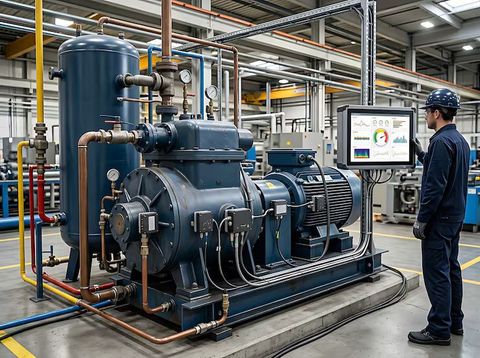
Industrial Vacuum Pumps: Explore Working Principles, Designs, and Industry Uses
Updated: September 22, 2026
Read More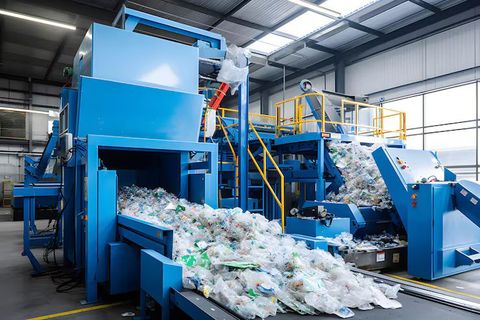
EPS Recycling Machine Guide and Overview: Learn How Foam Waste Is Processed and Recovered
Updated: September 18, 2026
Read More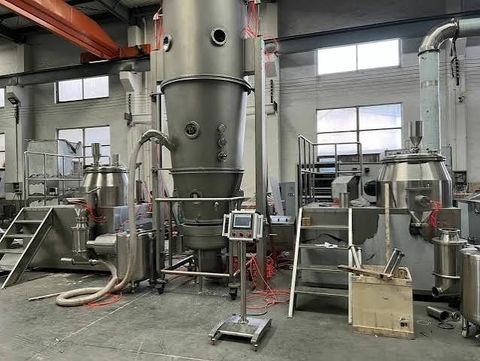
Granulation Equipment Tips: Explore Efficient Processes and Important Equipment Features
Updated: September 17, 2026
Read More